Choosing the Right Water Softener for Your House: Installation Tips from Experts
April 30, 2026
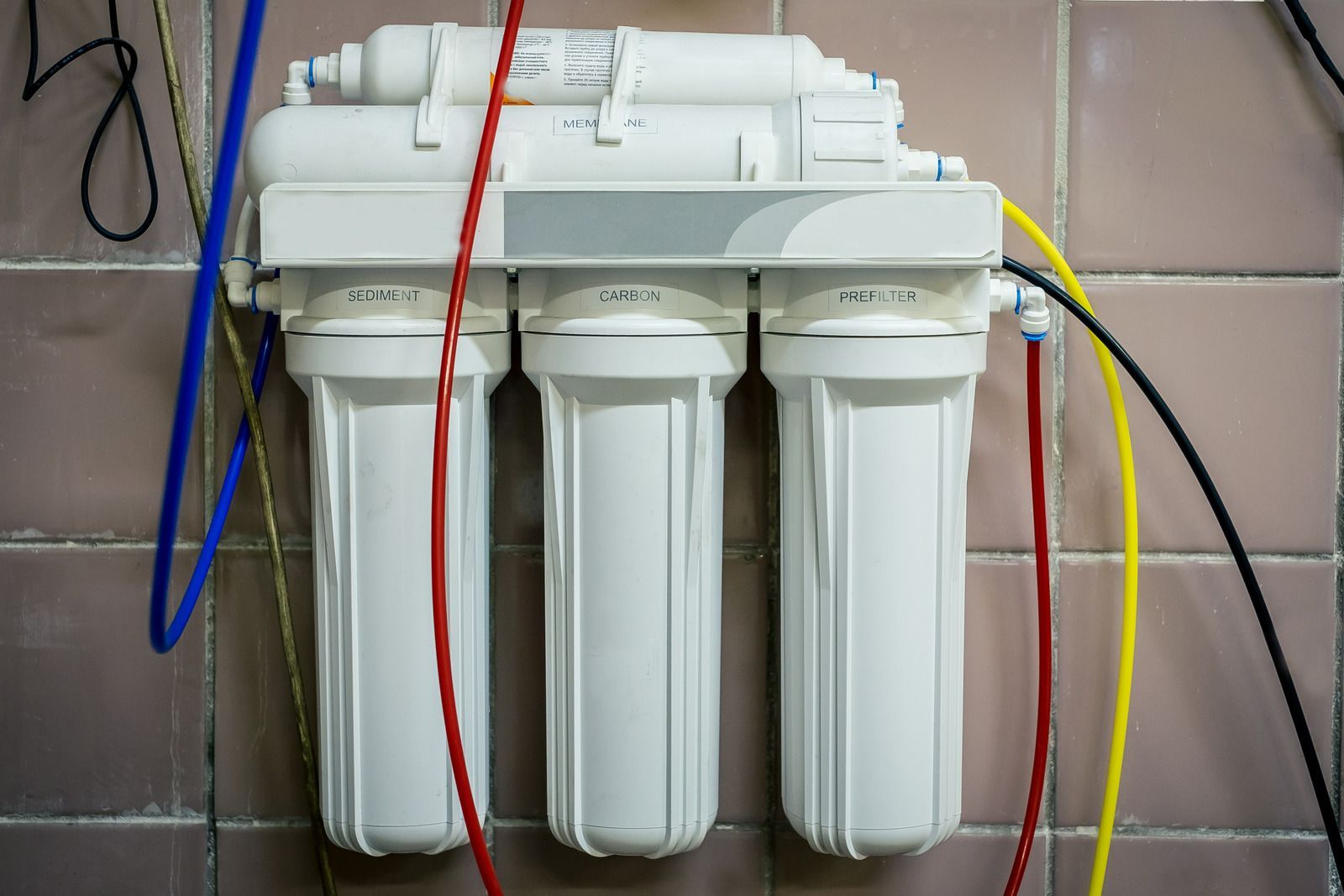
Hard water is one of the most overlooked issues in residential plumbing systems, yet it affects daily comfort, appliance performance, and long-term plumbing health. When water contains high levels of calcium and magnesium, it creates scale buildup inside pipes, reduces soap efficiency, and shortens the lifespan of water-using appliances. As households increasingly focus on efficiency and sustainability, selecting the right water softener has become an essential part of modern home maintenance. Understanding how these systems work and how to choose the right one can significantly improve water quality and reduce long-term repair costs. It also helps maintain consistent water pressure throughout the home, preventing unnecessary strain on plumbing fixtures. Over time, this simple upgrade can make a noticeable difference in overall household efficiency and water usage habits.
A properly selected and installed water softener ensures smoother plumbing operation, cleaner fixtures, and a better overall water usage experience. However, choosing the right system requires careful evaluation of water hardness levels, household consumption patterns, and installation requirements. Many homeowners struggle with system sizing, regeneration types, and compatibility with existing plumbing infrastructure. Professional installation guidance helps eliminate guesswork and ensures optimal system performance. This blog provides expert-backed insights into selecting the right water softener for a home and offers practical installation tips to ensure long-term reliability and efficiency in everyday use. It also highlights common mistakes that can reduce system lifespan if not addressed early. With the right approach, homeowners can achieve consistent soft water performance with minimal maintenance concerns.
Understanding Water Softeners and Why They Matter
What Hard Water Does to a Home
Hard water silently damages home plumbing systems over time by forming scale deposits inside pipes that restrict flow and increase pressure on joints. Faucets and showerheads become clogged, while water heaters lose efficiency due to mineral buildup. Laundry and dishwashing require more detergent and energy, reducing overall household performance and increasing long-term maintenance costs for homeowners.
How Water Softeners Work
Water softeners operate through an ion exchange process, where hard water flows through a mineral tank filled with resin beads. These beads attract calcium and magnesium ions, replacing them with sodium or potassium. This cycle delivers softened water throughout the home. Over time, the resin regenerates using a salt brine solution to maintain continuous performance and consistent water quality.
Why Installation Quality Matters
Even the best system fails if installation is incorrect. Poor setup can cause pressure drops, salt inefficiency, and plumbing leaks. Proper configuration ensures balanced water flow, correct drainage, and efficient regeneration cycles. With professional installation, peak performance is maintained while maintenance needs are reduced, ensuring long-term reliability and consistent household water quality.
Assessing Household Needs Before Choosing a System
Measuring Water Hardness Levels
The first step in selecting a water softener is testing water hardness levels, which measure dissolved mineral concentration in grains per gallon (GPG). Higher hardness levels require stronger systems for effective treatment. Testing kits or professional water analysis helps determine accurate readings, ensuring correct system sizing and preventing performance issues after installation.
Calculating Daily Water Usage
Household size and daily water consumption directly influence the type of water softener required for efficient performance. Usage is estimated by evaluating bathrooms, appliances, and daily routines. Larger families require higher-capacity systems to handle demand without frequent regeneration. Proper calculation ensures efficient salt use, consistent soft water supply, and long-term system reliability.
Identifying Peak Water Demand
Peak water demand occurs during high-usage periods, such as mornings and evenings, when multiple fixtures operate simultaneously. The system must handle these spikes without pressure drops or reduced efficiency. Undersized systems often regenerate too frequently, wasting resources. Proper evaluation of peak demand ensures stable water flow and consistent softening throughout daily routines.
Considering Space and Installation Location
Installation space plays a major role in selecting the right water softener system. Placement near the main water line and drainage point is essential for efficiency. Limited spaces may require compact or split-tank designs. Proper positioning ensures easy maintenance, uninterrupted water flow, and long-term system performance without installation complications.
Choosing the Right Type of Water Softener
Salt-Based Ion Exchange Systems
Salt-based ion exchange systems are the most effective solution for residential water softening. These systems remove calcium and magnesium minerals completely, ensuring consistent performance. Regular salt refilling supports regeneration and maintains efficiency. They are ideal for moderate to high hardness levels and deliver reliable soft water for daily household use.
Salt-Free Water Conditioners
Salt-free water conditioners do not remove hardness minerals but instead prevent scale buildup inside plumbing systems. These systems are low-maintenance and environmentally friendly. However, they may not perform well in extremely hard water conditions. They are best suited for households seeking minimal maintenance and eco-friendly water treatment solutions.
Dual-Tank Water Softeners
Dual-tank water softeners ensure uninterrupted soft water supply even during regeneration cycles. One tank remains active while the other regenerates. This design is ideal for large households with high water usage demands. It provides continuous performance, reduces downtime, and maintains consistent water quality throughout daily operations.
Magnetic and Electronic Descalers
Magnetic and electronic descalers modify how minerals behave in water using electromagnetic technology instead of removing them. These systems are easy to install and require no maintenance. However, their effectiveness varies depending on water hardness levels. They are best suited for mild hardness conditions or as supplementary solutions.
Expert Installation Tips for Long-Term Performance
Proper Pre-Installation Planning
Proper pre-installation planning ensures the water softener integrates smoothly with existing plumbing systems. Water pressure, main line access, and drainage availability must be evaluated before installation begins. Including a bypass valve allows maintenance without interrupting the water supply. Careful planning reduces errors, improves efficiency, and ensures long-term system reliability.
Correct Positioning and Connection Setup
Correct positioning and secure connection setup are essential for efficient system performance. The system should be installed close to the main water entry point to maximize efficiency and reduce pressure loss. Proper pipe alignment prevents leaks and ensures smooth water flow. Drain lines must be routed correctly to avoid contamination risks.
Ensuring Optimal Drainage and Regeneration Setup
An optimal drainage and regeneration setup is essential for maintaining efficient operation. Drain lines should be air-gapped and properly positioned to prevent backflow or contamination. Regeneration settings must match water hardness levels and household usage patterns. Proper configuration prevents system overload and ensures consistent soft water delivery.
Testing and Calibration After Installation
Testing and calibration ensure the system operates at peak efficiency from the start. We check for leaks, pressure stability, and regeneration accuracy after installation. Calibration adjusts settings based on water usage and hardness levels. Regular monitoring during the initial weeks helps fine-tune performance and maintain consistent water quality.
Common Installation Mistakes to Avoid
Common installation mistakes can significantly reduce system efficiency and reliability. Incorrect sizing, poor pipe connections, and improper drainage setups often lead to performance issues. Skipping water hardness testing results in inefficiency. Proper installation practices ensure long-term reliability, reduced maintenance costs, and consistent soft water delivery.
Maintenance and Efficiency Optimization
Regular Salt and Resin Maintenance
Regular salt and resin maintenance is essential for keeping water softener systems operating efficiently. Salt levels must be monitored to ensure proper regeneration cycles, and resin beds should be cleaned when necessary. Neglecting maintenance reduces system performance and allows hardness leakage. Consistent upkeep extends system life and ensures stable water quality.
Regular Salt and Resin Maintenance
Regular salt and resin maintenance is essential for keeping water softener systems operating efficiently. Salt levels must be monitored to ensure proper regeneration cycles, and resin beds should be cleaned when necessary. Neglecting maintenance reduces system performance and allows hardness leakage. Consistent upkeep extends system life and ensures stable water quality.
Extending System Lifespan
Extending system lifespan depends on proper maintenance and correct usage practices. High-quality salt, stable water pressure, and scheduled servicing are essential. Preventive care reduces wear and avoids costly repairs. A well-maintained system delivers reliable performance for many years while ensuring consistent soft water supply.
Seasonal Considerations
Seasonal changes can affect system performance, especially in areas with extreme temperatures. Proper insulation helps prevent damage during colder months. Regular seasonal inspections ensure efficiency and stability. Adjustments based on weather conditions maintain consistent operation and reliable soft water supply throughout the year.
Skilled Water Softener Installation Backed By Experience
Selecting the right water softener is a critical decision that directly impacts plumbing efficiency, appliance longevity, and daily water quality. A well-chosen system tailored to household needs ensures smooth operation, reduced maintenance costs, and improved overall comfort. Proper installation and routine upkeep further enhance performance and reliability, making water management more efficient in the long run.
Understanding water hardness levels, system types, and installation requirements allows homeowners to make informed decisions that prevent future plumbing issues. When these elements are combined with expert installation practices, the result is a dependable and long-lasting water treatment solution that supports both household efficiency and infrastructure protection.
Drip Fix Plumbing, a trusted name in residential plumbing solutions, brings over 15 years of hands-on expertise in delivering reliable water system installations and maintenance services. Based in Thornton, Colorado, our approach focuses on precision, durability, and customer-focused service. We understand the complexities of water quality challenges and provide tailored solutions that ensure long-term performance and peace of mind for every household we serve.