How Repeated Pressure Cycles Wear Down Pipe Joints and Shut-Off Valves
September 12, 2026
Why Leaks Stay Hidden Longer in Our Area
A few conditions in our area make hidden leaks both more common and harder to spot than the national average. The water here runs hard, carrying enough dissolved mineral to scale the inside of pipes and chew at brass fittings and valve seats. Over ten to fifteen years that buildup thins a fitting to the point where it weeps under normal pressure. Our winters bring sharp freeze and thaw cycles, and any line in an exterior wall, crawl space, or unheated garage takes that stress every cold snap until a seam finally splits. The clay soil under many homes swells when wet and shrinks when dry, and that constant movement flexes supply and drain lines under slabs until a joint pulls apart. The dry air works against you too. Low humidity evaporates surface moisture quickly, so the puddle that would tip off a homeowner in a humid climate never forms here, and the leak keeps running behind the wall while the floor stays dry.
Who to Call: Your Plumber or Your Water Utility
Two calls solve two different problems. Knowing which one to make first saves you a wasted trip.
Your water utility handles supply-side issues
If a change in cloudiness, taste, or smell shows up suddenly and hits your whole neighborhood, the cause is likely upstream of your home, at the treatment plant or in the main distribution lines. Your local utility can confirm whether recent flushing, main repairs, or seasonal treatment changes explain what you're noticing, and whether it's expected to resolve on its own.
A plumber handles what's happening inside your home
If the problem is isolated to your house, one fixture, or your hot water only, the cause is more likely inside your own plumbing system — an aging water heater anode, deteriorating pipe, or sediment building up in a specific line. That's where a diagnostic visit and a proper water test pay off, because they identify exactly what's present instead of leaving you to treat a guess.
Testing beats assuming every time
Taste, smell, and appearance are useful clues, but they don't tell you concentration or source. A water test measures what's really in your supply so any filtration, purification, or plumbing fix gets matched to the specific issue rather than a generic solution that might not touch the actual cause. Guessing wastes money more often than it saves it.
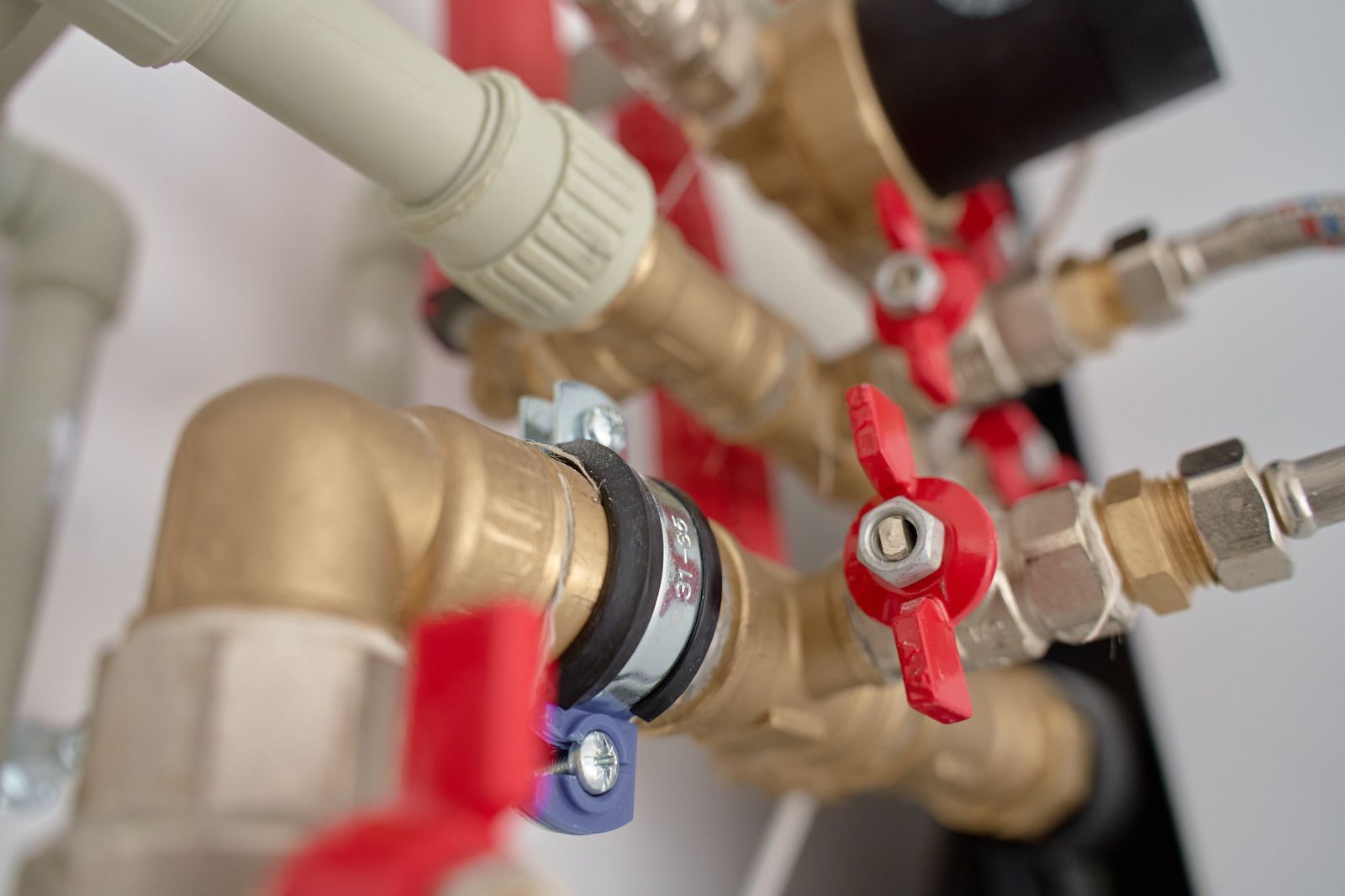
Quick Answer: Pipe joints and shut-off valves fail more often than straight sections of pipe because every connection point is a break in the material, and every break is a place where pressure, vibration, and temperature change can work a seal loose. Water hammer alone can spike pressure to five to ten times a system's normal working level in an instant, and that force lands hardest on threaded joints, soldered fittings, and valve packing. A joint or valve leak rarely announces itself with a burst. It starts as a faint weep, a slow drip, or a hairline crack that widens every time the water is shut off and turned back on. Repairing it correctly means replacing the worn material at the connection and, just as important, addressing the pressure behavior that wore it out in the first place.
Turn a shut-off valve fast enough and the whole line shudders. That knock traveling through the wall isn't cosmetic. It's a pressure wave moving through water that has nowhere to go, and every joint and valve in its path absorbs a fraction of that force. Do it often enough, for long enough, and the seals, threads, and solder connections holding those sections together start to give.
Straight runs of pipe rarely fail this way. They flex slightly and carry pressure evenly along their length. Joints and valves don't have that luxury. They're where the pipe material changes, narrows, or stops entirely, and that's exactly where stress concentrates.
Why Connection Points Take the Brunt of the Damage
Pressure cycling. Household water pressure typically runs between 40 and 65 psi, but that number isn't constant. Every time a faucet opens or closes, a washing machine valve engages, or an appliance cycles on, pressure inside the line rises and falls. Joints and valves flex fractionally with each cycle. Straight pipe tolerates that flexing; threaded and soldered connections accumulate fatigue from it.
Water hammer. A fast-closing valve, whether it's a washing machine solenoid, a dishwasher fill valve, or a quarter-turn shut-off closed too quickly, stops moving water almost instantly. The kinetic energy in that water has to go somewhere, and it converts into a pressure shockwave that can exceed the system's normal working pressure by a wide margin. That force travels back through the pipe until it reaches a joint, a bend, or a closed valve, where it hits hardest.
Thermal expansion and contraction. Pipes move as temperatures change. Copper and metal piping expand slightly in heat and contract in cold, and that movement concentrates at the joints where sections meet. Over repeated seasonal cycles, the fittings holding those sections together loosen incrementally, even when the pipe itself shows no visible wear.
Material fatigue at the connection. A joint is inherently weaker than the pipe on either side of it. Solder, thread sealant, and rubber washers all degrade faster than the pipe material they're sealing. Valve stems and packing are built to allow movement, which means they're built with more moving parts, more surfaces, and more opportunities for a seal to fail.
How a Joint or Valve Leak Actually Starts
Slow seepage at threaded connections. Thread sealant and joint compound break down gradually under repeated pressure cycling. A threaded joint that held tight for years can begin weeping a small amount of water with no single dramatic cause, just accumulated stress finally finding the weak point.
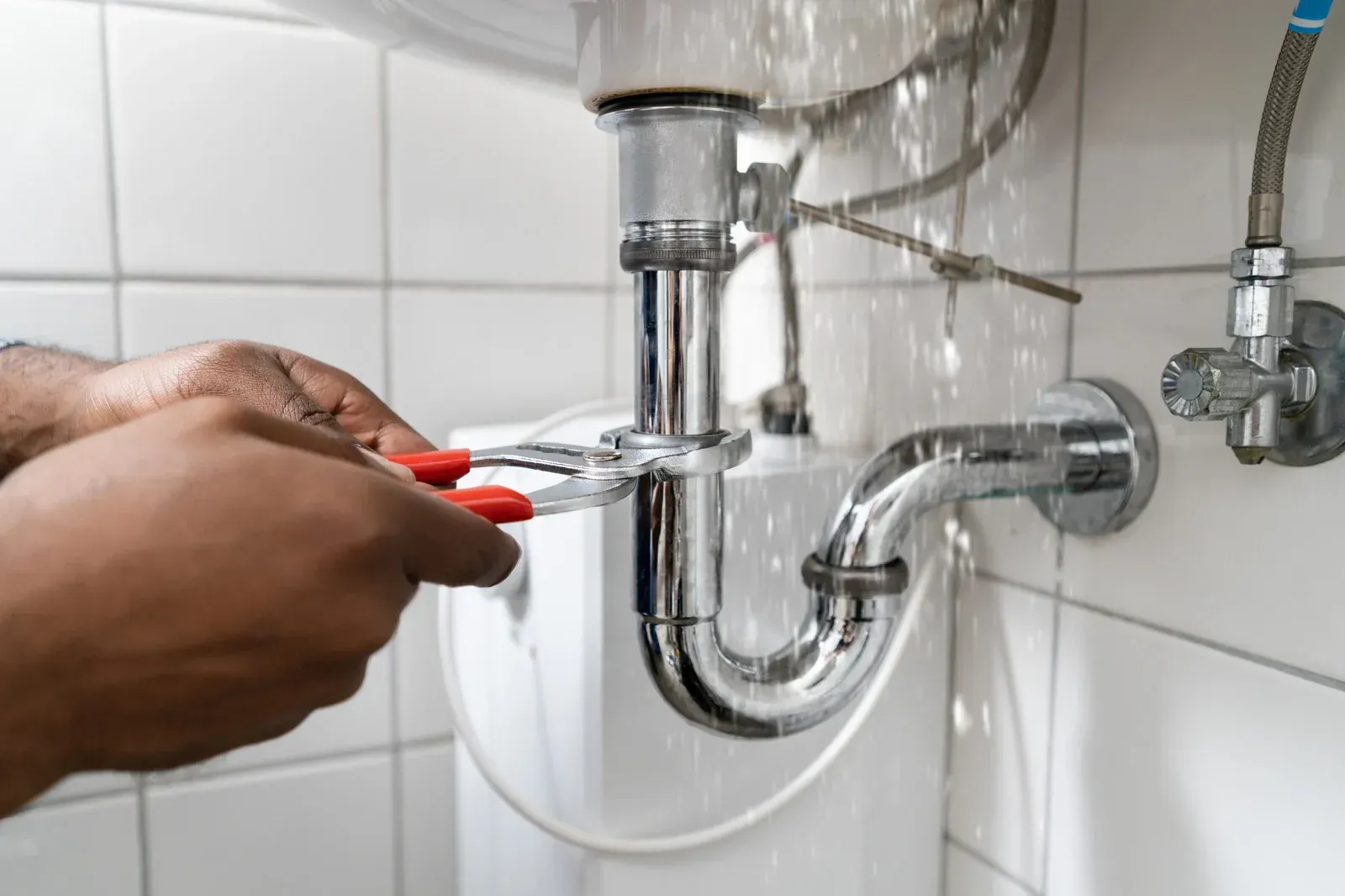
Weeping around a valve stem. Shut-off valves rely on packing material around the stem to keep water from escaping when the valve is operated. That packing compresses and wears with every turn of the handle. A valve that feels slightly loose or shows dampness at the stem is usually further along in that wear process than it appears.
Corrosion where dissimilar metals meet. Connections between copper and galvanized steel, or copper and certain fittings, can corrode faster than the surrounding pipe due to galvanic reaction. That corrosion eats away at the joint from the inside before any leak becomes visible from outside.
Loosening from vibration. Pipes secured loosely, or running near appliances that vibrate during operation, transmit that motion directly into nearby joints. A connection that's mechanically sound but not properly supported can work itself loose over months of vibration exposure.
Diagnosing the Actual Source Before Any Repair Begins
A joint or valve leak isn't always where the water shows up. Water travels along pipe insulation, framing, and subflooring before it appears as a stain or a puddle, so the visible damage and the actual failure point can be several feet apart.
Isolating sections of the system. Shutting off individual branches and monitoring pressure helps narrow down which segment of the plumbing contains the leak before any wall or floor material is disturbed.
Pressure testing the line. A system that holds steady pressure when isolated but drops when a specific section is reconnected points directly to where the connection is compromised.
Inspecting valve packing and washer condition. Not every valve leak is at the connection to the pipe. Sometimes the valve itself, specifically the packing nut or internal washer, is the source, and that distinction changes what needs to be replaced.
Repair Methods That Hold Under Continued Pressure
Replacing worn washers and packing material. Where a valve stem is the source of a leak, replacing the packing or washer restores a tight seal without requiring the whole valve to be removed.
Reinforcing threaded and soldered joints. Old thread sealant is cleaned away completely before a joint is reassembled. Skipping this step and simply tightening further only masks a leak temporarily, since the old sealant has already lost its ability to seal against pressure.
Replacing valves that have exceeded their service life. A valve with a corroded body or a stem that no longer holds packing securely is replaced outright rather than repeatedly repacked, since repeated repacking of a failing valve rarely holds for long.
Addressing the pressure behavior that caused the failure. A joint repaired without addressing water hammer or excess system pressure is a joint that will likely fail again. Installing water hammer arrestors near fast-closing valves, or confirming the pressure regulator is functioning correctly, protects the new repair the same way it should have protected the original connection.
TIP: A shut-off valve that's difficult to turn, or that weeps slightly the first time it's operated after months of disuse, is often showing early signs of packing wear. Operating household shut-off valves periodically helps surface that wear before it turns into a steady leak.
Frequently Asked Questions
Why do leaks develop at pipe joints more often than along a straight section of pipe?
Every joint is a transition point where pipe material changes, narrows, or connects. That spot concentrates stress from pressure cycling, water hammer, and temperature change that straight pipe doesn't face.
Can a valve leak without the pipe connected to it being damaged at all?
Yes. Valve leaks often start in the stem packing or an internal washer, both separate from the pipe connection. A valve can leak from normal wear with sound piping nearby.
Does tightening a leaking joint fix the problem?
Tightening can slow a leak temporarily, but once the sealant or gasket material has broken down, tightening won't restore the seal. The joint needs disassembly, cleaning, and fresh sealing material.
What role does water hammer play in joint and valve leaks?
Water hammer sends a shockwave through the system every time a valve closes quickly. That force hits joints and bends, and repeated exposure works seals loose, even in well-maintained systems.
How can a homeowner tell if a valve is nearing the end of its service life?
A valve that's hard to turn, weeps at the stem after use, or shows corrosion is nearing the point where repacking no longer holds. Replacing it early prevents unplanned leaks.
Is a small leak at a joint or valve urgent, or can it wait?
A small, steady leak means the connection has lost ability to hold pressure. It rarely improves on its own and worsens each cycle, so addressing it early protects the structure.
What Every Homeowner Should Remember About Connections
Every plumbing system tells on its weakest points eventually, and pipe joints and shut-off valves are almost always where that story begins. They absorb pressure surges, temperature swings, and vibration that straight pipe simply shrugs off, which is why wear shows up there first. A hairline leak at a joint, or a valve that weeps after sitting untouched for months, is not a random event. It is the predictable result of connections doing the hardest job in the system, year after year.
Catching that wear early is what separates a quick repair from a bigger one down the line. A slow drip today is easier to fix than a burst joint six months from now, and the difference usually comes down to paying attention while the signs are still small. Drip Fix Plumbing
has spent 15
years working on homes throughout Thornton, CO, building that kind of attention into every job. Connections built to last are simply connections that were looked after.