Pipes at Risk Before the First Hard Freeze? What Water Pipe Winterization Covers
October 20, 2026
Why Leaks Stay Hidden Longer in Our Area
A few conditions in our area make hidden leaks both more common and harder to spot than the national average. The water here runs hard, carrying enough dissolved mineral to scale the inside of pipes and chew at brass fittings and valve seats. Over ten to fifteen years that buildup thins a fitting to the point where it weeps under normal pressure. Our winters bring sharp freeze and thaw cycles, and any line in an exterior wall, crawl space, or unheated garage takes that stress every cold snap until a seam finally splits. The clay soil under many homes swells when wet and shrinks when dry, and that constant movement flexes supply and drain lines under slabs until a joint pulls apart. The dry air works against you too. Low humidity evaporates surface moisture quickly, so the puddle that would tip off a homeowner in a humid climate never forms here, and the leak keeps running behind the wall while the floor stays dry.
Who to Call: Your Plumber or Your Water Utility
Two calls solve two different problems. Knowing which one to make first saves you a wasted trip.
Your water utility handles supply-side issues
If a change in cloudiness, taste, or smell shows up suddenly and hits your whole neighborhood, the cause is likely upstream of your home, at the treatment plant or in the main distribution lines. Your local utility can confirm whether recent flushing, main repairs, or seasonal treatment changes explain what you're noticing, and whether it's expected to resolve on its own.
A plumber handles what's happening inside your home
If the problem is isolated to your house, one fixture, or your hot water only, the cause is more likely inside your own plumbing system — an aging water heater anode, deteriorating pipe, or sediment building up in a specific line. That's where a diagnostic visit and a proper water test pay off, because they identify exactly what's present instead of leaving you to treat a guess.
Testing beats assuming every time
Taste, smell, and appearance are useful clues, but they don't tell you concentration or source. A water test measures what's really in your supply so any filtration, purification, or plumbing fix gets matched to the specific issue rather than a generic solution that might not touch the actual cause. Guessing wastes money more often than it saves it.
Quick Answer: Water pipe winterization is a set of steps that remove or protect the water sitting in the parts of your plumbing most likely to freeze. It covers outdoor faucets and hose bibs, sprinkler lines and backflow devices, pipes in unheated basements, crawl spaces and garages, and the plumbing in vacant or seasonal homes. Water expands as it freezes, and that pressure can split a pipe, crack a fitting, or ruin a valve you never see until spring. A crack as small as one eighth of an inch can release up to 250 gallons of water in a single day once the pipe thaws and flows. The best time to winterize is early to mid fall, before the first hard freeze, because the work only helps if it happens before temperatures drop.
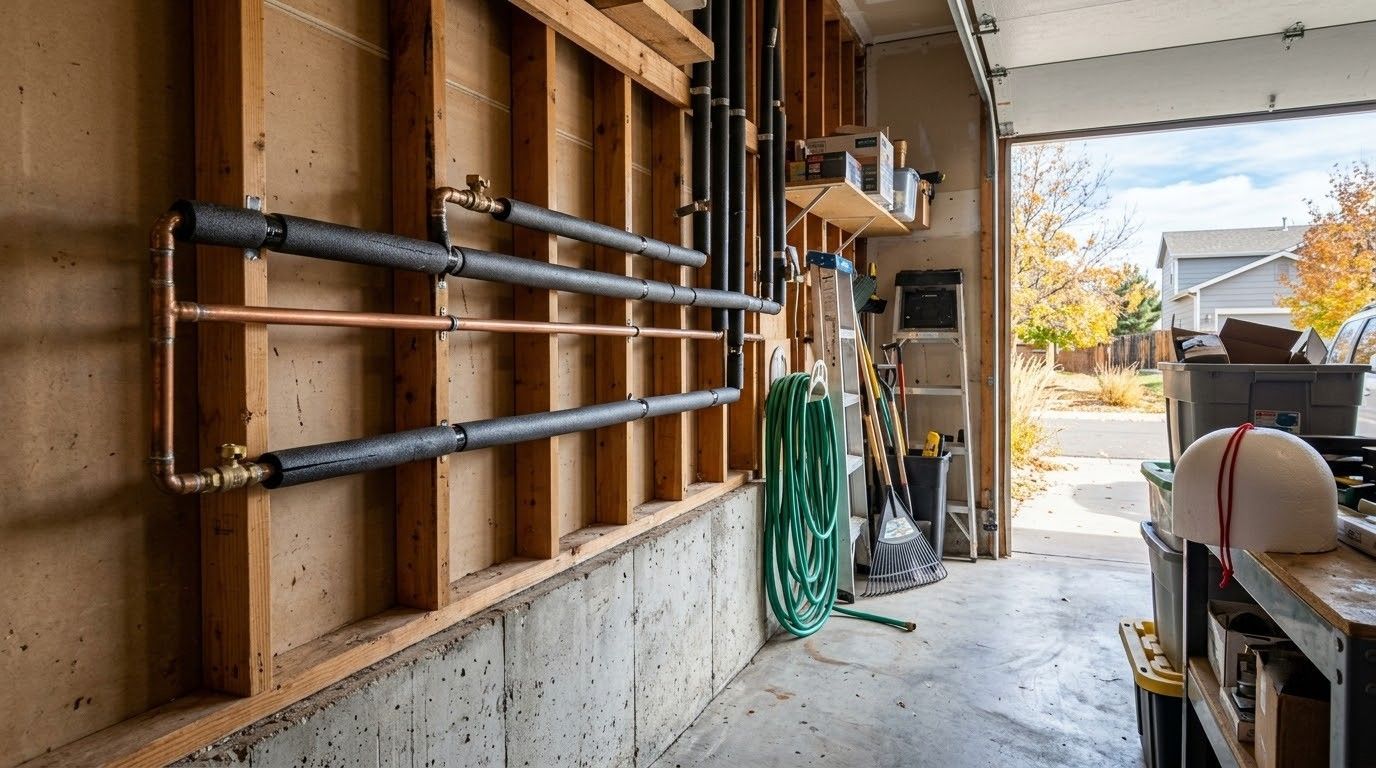
You wake up on a cold morning, step outside, and the grass crunches. The first freeze of the season came overnight, and you can’t remember whether you ever disconnected the hose. The sprinkler system was running last week. The garage is cold enough that your breath shows, and the pipes along its back wall have never had a blanket of anything on them. Nothing is wrong yet. The risk is that you can’t tell, because a frozen pipe looks like any other pipe until the day it thaws and leaks.
That gap between what you can see and what is happening inside the walls is exactly why winterization exists. Along the Front Range, a warm afternoon can be followed by a night well below freezing, and those swings test every exposed fitting in your home. Water sitting in a pipe has nowhere to go when it turns to ice, so the pipe takes the pressure instead. This guide explains what winterization actually involves, which parts of your plumbing deserve the most attention, how to decide what you can handle yourself, and when it makes sense to bring in a plumber.
What Water Pipe Winterization Actually Means
Winterization is not one task. It is a short list of jobs, each aimed at a different weak point, and the goal is the same every time: keep liquid water from sitting in a spot that will freeze. There are two basic strategies. You can drain the water out of the line so nothing is left to freeze, or you can keep the pipe warm enough that the water inside stays liquid.
Draining
Lines that you do not use in winter, such as outdoor spigots and sprinkler zones, are shut off and emptied. With no water inside, there is nothing to expand, and the pipe has nothing to fight.
Insulating
Lines that have to stay in service, such as the supply pipes feeding your kitchen or bathrooms, cannot be drained. They are wrapped or covered to slow the loss of heat and keep the water moving.
Heating
In the coldest spots, insulation alone may not be enough. Heat tape and similar freeze protection add a small, controlled amount of warmth to the pipe itself.
A thorough winterization looks at the whole system first, then chooses the right strategy for each section. Wrapping a couple of visible pipes and calling it done is the most common shortcut, and it is how the hidden problem areas get missed.
Why Colorado Pipes Freeze More Easily Than You Expect
The first hard freeze usually arrives in the fall, often earlier than people plan for. Neighborhoods across Thornton, Northglenn, Westminster, Brighton, and Commerce City all go through the same repeating cycle of mild days and freezing nights. That cycle matters more than a single cold snap, because each time water inside a fitting freezes and thaws, the metal and joints take a little more stress.
Cold air also finds its way into places that feel protected. Pipes that run along an exterior wall, through a crawl space with vent openings, or across a garage ceiling sit much closer to outdoor temperatures than the thermostat setting suggests. Homes with finished basements can hide the problem further, since the pipes sit inside a wall cavity that gets little warm air from the living space.
The consequences are larger than most people expect. A crack as small as one eighth of an inch can release up to 250 gallons of water a day. That is enough to soak flooring, drywall, and insulation long before anyone notices a drip. The damage often shows up when the ice melts, not while the pipe is frozen, which is why a burst can surprise a household that thought it had made it through the cold.
The Six Areas Winterization Targets
Each part of your plumbing fails in a slightly different way, so each gets slightly different treatment. These are the areas that matter most.
Outdoor Faucets And Hose Bibs
These are usually the first fixtures to freeze, because they stick out of the house and sit directly in the cold. A hose left attached traps water inside the faucet, and the freeze can crack the internal parts. Winterization means disconnecting every hose, draining what remains in the faucet, and closing the interior shutoff valve that feeds it where one exists. Many frost resistant faucets only protect you when the hose is removed so the water can drain out of the barrel. The work is best done at the same time as your sprinkler shutdown, so neither one gets forgotten.
Sprinkler And Irrigation Systems
Underground lines hold standing water in every zone, and a freeze can split a pipe or crack a valve below the surface. Colorado water districts advise shutting off the supply, turning off the controller, and fully blowing out the system or hiring a sprinkler specialist to do it before the first freeze of the season. Above ground backflow devices and the main irrigation shutoff also need protection, since they are exposed to open air and can crack easily.
Pipes In Unheated Spaces
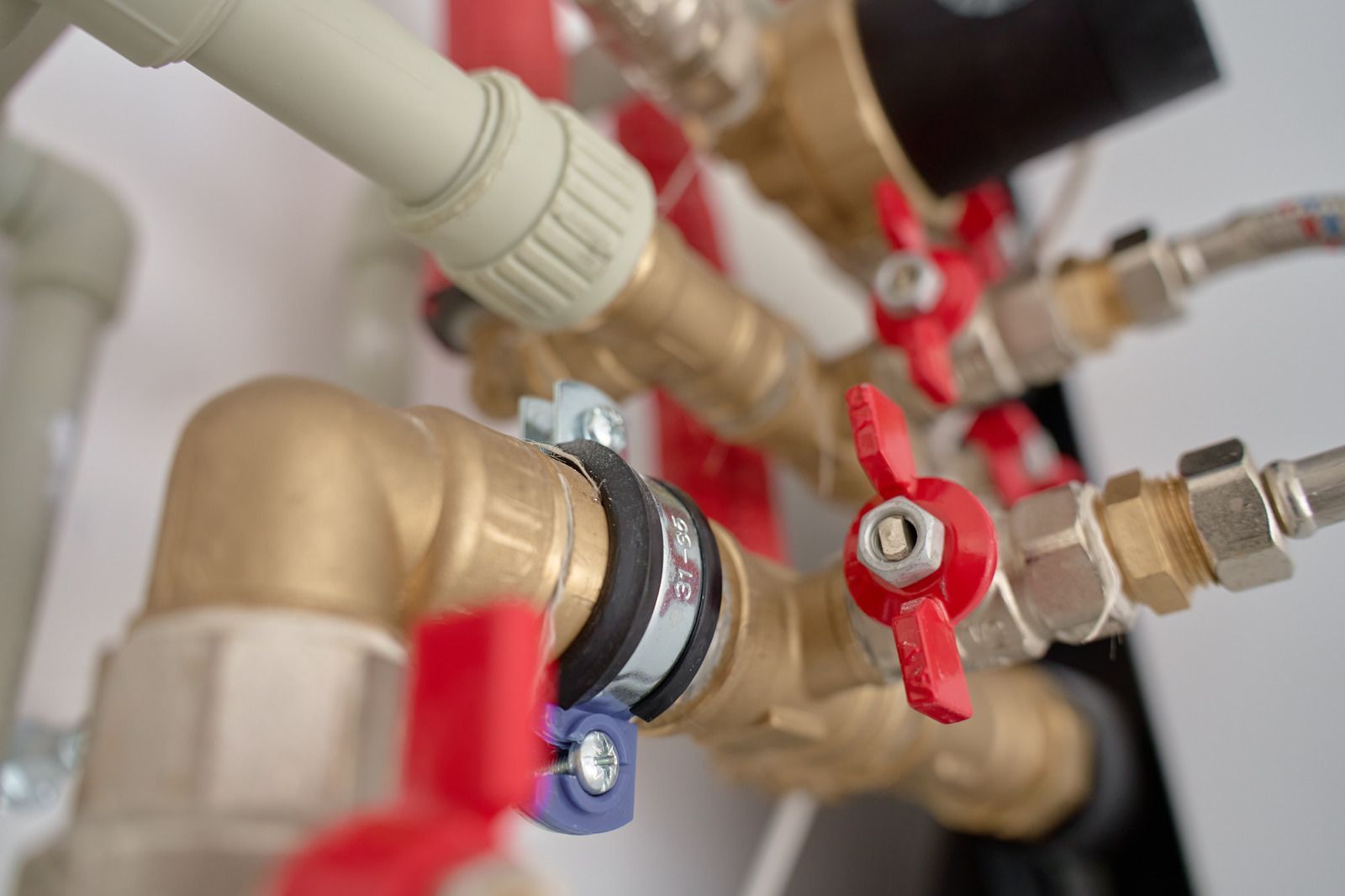
Basements that are not finished, crawl spaces, and garages hold the supply lines that suffer most in a cold spell. Insulating sleeves and wraps slow heat loss and keep the water from reaching freezing temperature as quickly. Gaps around vents, cable openings, and rim joists let cold air blow directly on pipes, and sealing them often matters as much as the insulation itself.
Water Lines That Can Be Drained
Some lines can be taken out of service for the season. Draining them removes the water that would otherwise freeze, and securing the shutoff valves keeps them from refilling by mistake. This is also the step that matters most when a section of the house will not be used for months.
Heat Tape And Freeze Protection
For pipes that cannot be fully insulated or drained, powered heating cable adds steady warmth. Installation matters here. The cable has to be rated for the pipe material, connected to a safe electrical supply, and arranged so it does not overlap itself unless the manufacturer says that is allowed. A thermostat built into the cable keeps it from running more than it needs to.
Vacant And Seasonal Properties
A rental between tenants, a second home, or a house that sits empty while you travel has the highest risk of all. Heat is often turned down, and no one is there to hear the sound of running water. Winterization for these properties usually means draining the plumbing system, protecting fixtures, and securing the water supply connection.
TIP: Walk your home with a flashlight before the first freeze and look for any pipe you can touch from a garage, crawl space, or exterior wall. If a pipe feels noticeably colder than the room around it, or sits within a few inches of a vent opening, mark it as a priority for insulation or protection.
What You Can Do Yourself and What to Leave to a Plumber
Some of this work is well within reach for a careful homeowner, and doing the easy parts early gives a plumber more time to focus on the harder ones.
Good DIY Jobs
Disconnecting hoses, storing them indoors, and covering outdoor faucets with an insulated cap are simple and worth doing. Adding foam sleeves to pipes you can reach in a garage or basement is also reasonable. Sealing visible gaps around pipes where they pass through walls helps too.
Jobs That Call For A Professional
Closing and draining lines requires knowing where every valve is and which ones control which section. Mistakes here lead to partly drained lines that still freeze, or valves that are left in the wrong position. Irrigation blowouts use compressed air, and too much pressure can damage sprinkler heads and fittings, so the pressure has to be set for the system. Heat tape installation involves electrical connections, and it should not be improvised.
Whole House Evaluation
Even if you handle the easy tasks, a trained eye catches the lines you did not know existed: a hose bib behind the water heater closet, a supply line buried in an exterior wall, or a forgotten irrigation branch. An evaluation checks the full system, not only the parts you can see.
When to Schedule Winterization
The right time is before temperatures stay below freezing, not after. Early to mid fall is the safest window, because pipes are drained and protected before the first hard frost arrives. Water districts in Colorado repeat the same advice each year: shut down irrigation and protect exposed fixtures before the first freeze of the season, since that is when calls for broken lines begin to pile up.
Waiting until the forecast shows a freeze tends to create two problems. The first is that service schedules fill up quickly during the first cold snap, so a job you meant to do on a calm weekend becomes an emergency. The second is that cold weather makes the work harder. Lines that are already chilled are more difficult to drain and insulate properly, and a freeze can happen overnight without much warning.
WARNING: If a faucet gives you only a trickle during a cold morning, or you see frost on a visible pipe, shut off the water to that section and leave the line alone until it thaws. Do not use an open flame or a torch to thaw it. Call a plumber if you cannot find the frozen section or if you see any cracks or moisture.
Keeping Water Moving All Winter
Winterization is not only about protecting what you shut down. It also protects the plumbing you rely on every day. Insulation and freeze protection keep active lines from freezing in the coldest hours, so your showers, dishwasher, and washing machine keep running through a cold week.
A few habits help the work last. Keep the thermostat at a steady temperature during freezing weather rather than letting it drop overnight, since the coldest hours are when pipes are most at risk. Open cabinet doors under sinks on exterior walls so warm air can reach the pipes. If you will be away, leave the heat on at a low but steady setting, or have the plumbing drained completely before you go.
Repeated freezing and thawing also wears down joints and fittings slowly, even when no pipe ever bursts. Protecting the system each fall reduces that strain, which helps supply lines and fixtures stay reliable for more years.
Frequently Asked Questions
Why is water pipe winterization important in Colorado?
Colorado winters bring frequent freezing nights, and water expands as it turns to ice. That pressure cracks fittings, splits supply lines, and ruins outdoor valves. Winterization removes standing water or keeps it warm enough to flow.
Which pipes are most likely to freeze first?
Outdoor faucets, sprinkler lines, and pipes in unheated areas freeze first, including crawl spaces, garages, unfinished basements, and lines along exterior walls. These spots get little warmth from the living space, so insulation and draining matter most.
When should water pipe winterization be done?
Early to mid fall is the best window, before overnight temperatures stay below freezing. Finishing before the first hard frost means lines are drained and protected while the weather is still mild and the work easier.
How are outdoor faucets and irrigation systems protected?
Hoses are disconnected, the faucet drained, and the interior shutoff closed where one exists. Sprinkler systems are shut off at the supply and cleared with a blowout, and exposed backflow devices are insulated against the cold.
Can a frozen pipe really cause major water damage?
Yes. A small crack can release hundreds of gallons in a day, and flooding often starts after the ice thaws. Floors, drywall, insulation, and framing all take on water, so preventing the freeze is easier.
Is winterization necessary for a vacant or seasonal home?
It is even more important. With heat reduced and nobody present to notice a leak, a burst pipe can run for days. Draining the system and securing the supply keeps an empty property safe through winter.
Small Work Now Prevents Big Trouble Later
A frozen pipe is the kind of problem that asks far more of you after it happens than before. The work that heads it off is modest by comparison: drain the lines you can empty, insulate the ones that have to stay in service, and add heat only to the few spots that need it. Doing that in early fall, while the weather is still mild, is what lets you spend the coldest nights of the year thinking about something other than the pipes.
The gap between what you can see and what is happening inside the walls is the whole reason to act before the first hard freeze rather than after it. Drip Fix Plumbing
has spent 15
years protecting plumbing for homes and businesses throughout Thornton, CO, looking at the full system instead of one visible pipe at a time. Walk your home this week, note the exposed lines and outdoor faucets, and settle each one before the forecast decides for you.