Cloudy, Smelly, or Off-Tasting Tap Water? What It Could Be
August 30, 2026
Why Leaks Stay Hidden Longer in Our Area
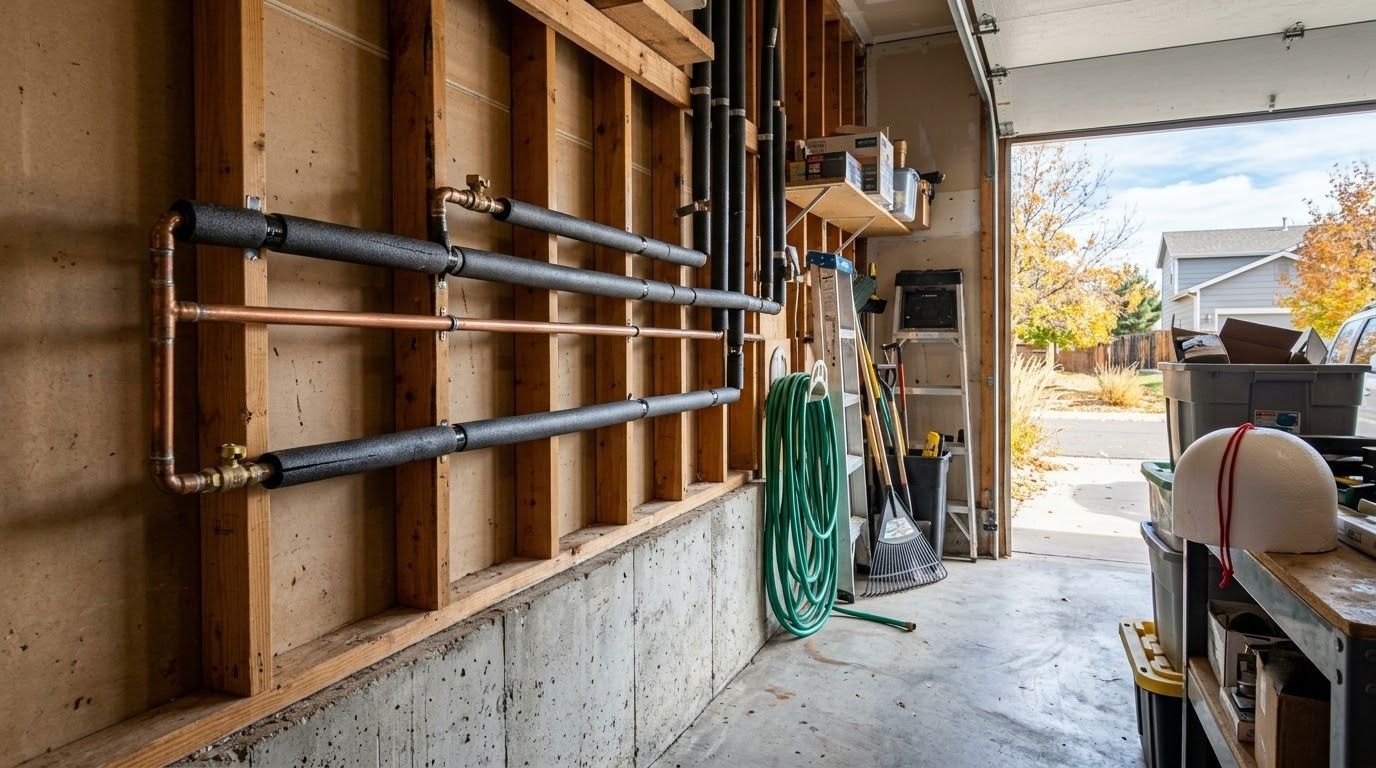
A few conditions in our area make hidden leaks both more common and harder to spot than the national average. The water here runs hard, carrying enough dissolved mineral to scale the inside of pipes and chew at brass fittings and valve seats. Over ten to fifteen years that buildup thins a fitting to the point where it weeps under normal pressure. Our winters bring sharp freeze and thaw cycles, and any line in an exterior wall, crawl space, or unheated garage takes that stress every cold snap until a seam finally splits. The clay soil under many homes swells when wet and shrinks when dry, and that constant movement flexes supply and drain lines under slabs until a joint pulls apart. The dry air works against you too. Low humidity evaporates surface moisture quickly, so the puddle that would tip off a homeowner in a humid climate never forms here, and the leak keeps running behind the wall while the floor stays dry.
Quick Answer: Cloudy tap water is almost always trapped air bubbles that clear from the bottom up within a minute or two, though persistent cloudiness can point to sediment. A chlorine or "swimming pool" smell usually comes from municipal disinfection, while rotten-egg odor typically traces to hydrogen sulfide from groundwater, sulfur bacteria, or a water heater's anode rod. Metallic or off-tasting water often means iron, manganese, or minerals leaching from aging pipes or your local water supply. None of these are something to guess about — a professional water test identifies exactly what's in your water so the fix matches the actual problem instead of a hunch.
You fill a glass at the kitchen sink and something's off. Cloudy. Smells like chlorine, or worse. Doesn't taste the way it used to. Your first instinct is to wonder if something's wrong with the water supply itself, but more often the answer sits somewhere between your water source and the pipes running through your house. Each symptom points toward a different cause, and figuring out which one you're dealing with beats just living with it.
Cloudy or Milky Water: Usually Air, Sometimes Sediment
The glass test tells you fast
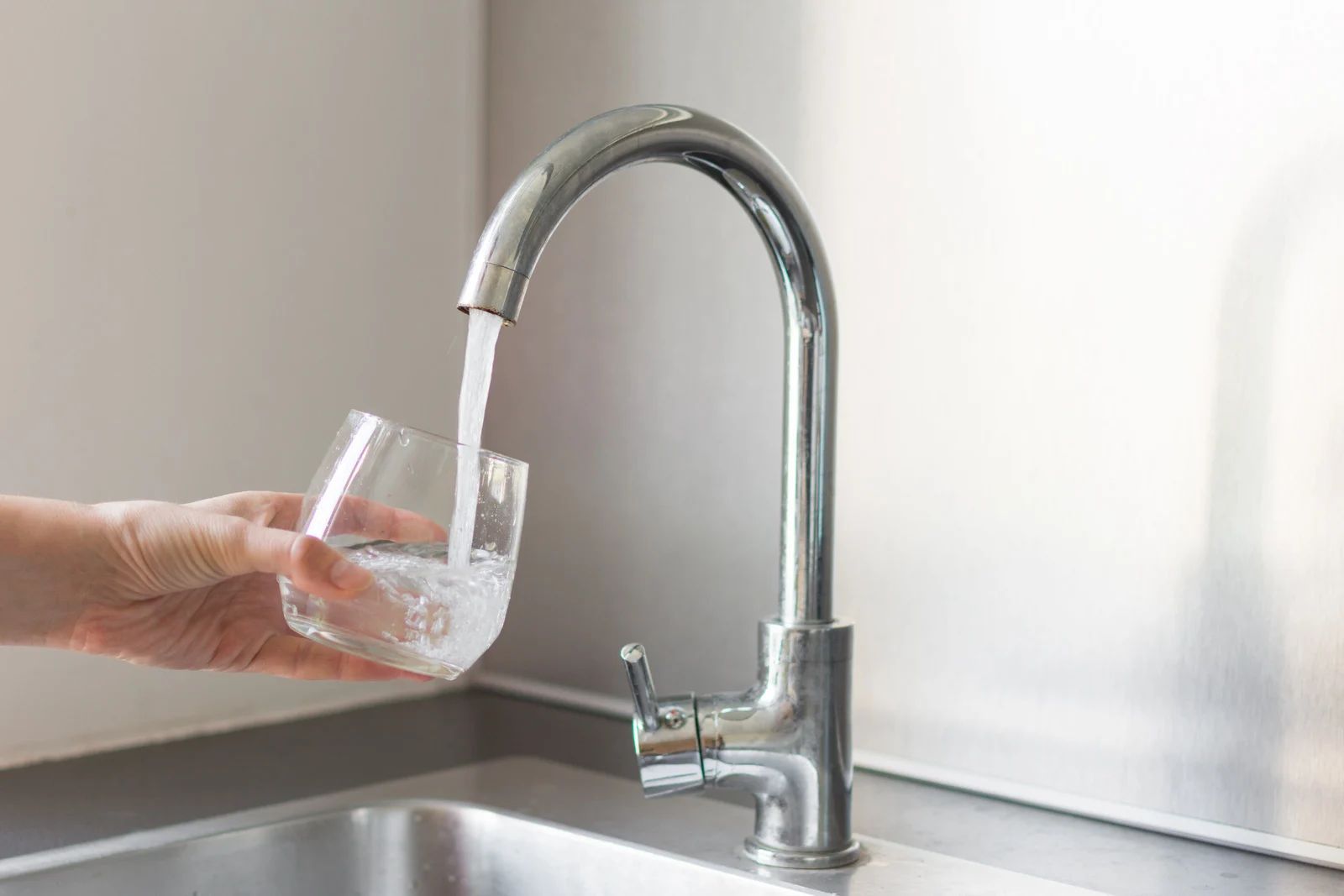
Fill a clear glass with tap water and set it on the counter. Watch it. If the cloudiness is trapped air, it clears from the bottom of the glass upward within a minute or two. That's the most common cause of cloudy water, and it's harmless — air gets pulled into the water supply during pressure changes, cold weather, or after nearby utility work, and it comes out of solution the moment water hits your glass.
Cloudiness that doesn't clear is a different story
If the glass still looks hazy or milky after a few minutes, or if you can see fine particles settling at the bottom, that's sediment — sand, mineral fragments, or pipe scale that's making its way into your water rather than air bubbles. Sediment shows up more often after water main repairs, during spring runoff, or in homes with aging galvanized pipe that's beginning to break down internally.
Front Range water adds its own wrinkle
Denver-metro water tends to run hard, meaning it carries a heavier mineral load than water in many other parts of the country. That mineral content doesn't usually cause the cloudiness itself. But it does feed the scale that eventually flakes loose inside older pipes and shows up as sediment downstream.
TIP: If cloudiness shows up suddenly and doesn't clear from a glass, run the cold tap for a minute before drawing water for cooking or drinking. It's a quick way to flush out any loose sediment sitting in the line closest to your fixture while you figure out the underlying cause.
Chlorine or "Swimming Pool" Smell
This one is usually intentional, not a malfunction
Municipal water providers add chlorine or chloramine to disinfect the water supply before it reaches your home, and the concentration isn't constant — it shifts with seasonal treatment adjustments, water main flushing, or nearby line repairs. A stronger-than-usual chlorine smell right after one of those events is common and typically settles down within a few days.
Hot water tends to smell stronger
Chlorine is more noticeable in warm water because heat releases more of the gas into the air as you run the tap. That's why a chlorine smell often seems worse in the shower than at the kitchen sink, even though the water source is identical.
When it's worth addressing
A chlorine smell isn't dangerous, but plenty of households still find it unpleasant enough to want it gone, especially for drinking and cooking water. Carbon filtration is built specifically to pull chlorine taste and odor out of water before it reaches the tap, whether that's a filter at the kitchen faucet or a whole-house system treating everything coming into the home.
Rotten-Egg Smell: Hydrogen Sulfide
The smell comes from a specific gas, not "bad" water in general
Hydrogen sulfide is what produces that unmistakable rotten-egg odor. It can come from a few different places, and each one calls for a different fix.
Groundwater sources
In some areas, hydrogen sulfide occurs naturally as a byproduct of decay and chemical reactions between water and the surrounding soil and rock. This is more common with well water than municipal supplies, though it can show up in either.
Sulfur bacteria
Certain bacteria that live in plumbing systems, well casings, or drains produce hydrogen sulfide as part of their own metabolic process. These bacteria aren't typically a health concern on their own, but they can create persistent odor problems and encourage other bacteria, including iron bacteria, to take hold alongside them.
The water heater's anode rod
This is the most common source when the smell shows up only in hot water. Most water heaters contain a metal anode rod, usually magnesium, designed to corrode instead of the tank itself and extend the tank's life. When that magnesium reacts with sulfate compounds inside a warm tank, it can produce hydrogen sulfide as a byproduct. That's why the smell often disappears from cold water but lingers in hot — and it's one of the more common issues once a water heater passes the five- or six-year mark.
Warning: Don't assume a rotten-egg smell in only your hot water is a sign of something dangerous in the water itself — it's frequently isolated to the anode rod reaction inside the tank. Even so, don't ignore it. A lingering sulfur smell is worth having diagnosed rather than masked, since the fix (anode replacement, tank disinfection, or a filtration approach) depends entirely on which of the three sources is actually responsible.
Metallic, Musty, or Earthy Tastes
Metallic taste usually means metal in the water
Iron, copper, manganese, or zinc leaching from aging pipes or fixtures is the most common cause, particularly in older homes with galvanized steel or copper supply lines. The same metals responsible for the taste can also cause reddish, orange, or bluish-green staining around drains and fixtures. That staining is often the visual clue pointing back to the same source.
Musty or earthy taste points toward the water source, not your pipes
This flavor typically traces back to naturally occurring compounds released by algae or bacteria in surface water reservoirs, particularly during warmer months. It's more of a seasonal water-supply issue than a plumbing one, and it tends to affect an entire neighborhood or service area rather than a single house.
Salty taste has its own explanation
Elevated levels of naturally occurring sodium, chloride, or sulfate in the water source can produce a faint salty taste even when nothing else about the water seems unusual. This is more about regional water chemistry than a plumbing problem, and it's one more reason a water test is more useful than guessing from taste alone.
Who to Call: Your Plumber or Your Water Utility
Two calls solve two different problems. Knowing which one to make first saves you a wasted trip.
Your water utility handles supply-side issues
If a change in cloudiness, taste, or smell shows up suddenly and hits your whole neighborhood, the cause is likely upstream of your home, at the treatment plant or in the main distribution lines. Your local utility can confirm whether recent flushing, main repairs, or seasonal treatment changes explain what you're noticing, and whether it's expected to resolve on its own.
A plumber handles what's happening inside your home
If the problem is isolated to your house, one fixture, or your hot water only, the cause is more likely inside your own plumbing system — an aging water heater anode, deteriorating pipe, or sediment building up in a specific line. That's where a diagnostic visit and a proper water test pay off, because they identify exactly what's present instead of leaving you to treat a guess.
Testing beats assuming every time
Taste, smell, and appearance are useful clues, but they don't tell you concentration or source. A water test measures what's really in your supply so any filtration, purification, or plumbing fix gets matched to the specific issue rather than a generic solution that might not touch the actual cause. Guessing wastes money more often than it saves it.
Frequently Asked Questions
Is cloudy tap water safe to drink?
Usually, yes. Cloudiness caused by trapped air is harmless and typically clears within minutes. However, persistent cloudiness or visible particles may indicate sediment, minerals, or another issue that deserves professional testing.
Why does my hot water smell like rotten eggs but my cold water doesn't?
This usually points to the water heater's anode rod reacting with sulfate compounds and producing hydrogen sulfide. Because the reaction occurs inside the tank, cold water can remain odor-free while hot water smells.
Does a strong chlorine smell mean my water isn't safe?
No. Chlorine and chloramine are commonly added to municipal water for disinfection. Stronger odors can occur after flushing or treatment changes. Carbon filtration can reduce chlorine taste and odor for improved drinking-water quality.
Can hard water alone cause off-tasting or cloudy water?
Hard water itself usually doesn't create cloudiness or strong off-tastes. However, calcium and magnesium can create scale inside plumbing and water heaters, which may eventually loosen and contribute sediment or altered taste.
How do I know if a taste or odor issue is coming from my home's plumbing or the water source?
If the issue affects one fixture or only hot water, your plumbing is likely responsible. If neighbors notice the same problem, the source may be municipal. Testing can help confirm where the issue originates.
What's the difference between a whole-house filter and a system that treats just the kitchen tap?
A whole-house filter treats incoming water before it reaches your fixtures, while a point-of-use system treats water at one faucet. Whole-house filtration offers broader coverage, while kitchen systems focus specifically on drinking and cooking water.
Getting A Clearer Picture Of Your Water Quality
Cloudy, smelly, or off-tasting water can often be traced to something specific once you look at when and where the problem appears. Air bubbles may cause temporary cloudiness, while persistent sediment, minerals, chlorine, hydrogen sulfide, or aging plumbing can create different changes in taste, smell, and appearance. Paying attention to these patterns makes it easier to narrow down the source and avoid treating a symptom without addressing what's actually causing it.
For homeowners in Thornton, CO, knowing whether the issue comes from the water supply or the plumbing inside the home is an important first step. Drip Fix Plumbing
brings 15
years of
residential and commercial plumbing experience
to water quality concerns, using testing and practical diagnostics to distinguish between supply-side conditions and problems within the home's pipes or equipment. A clear understanding of the water itself provides a much better foundation for choosing filtration, purification, or plumbing solutions that fit the situation.