White Scale on Faucets and Glassware? Signs of Hard Water and How to Stop It
July 23, 2026
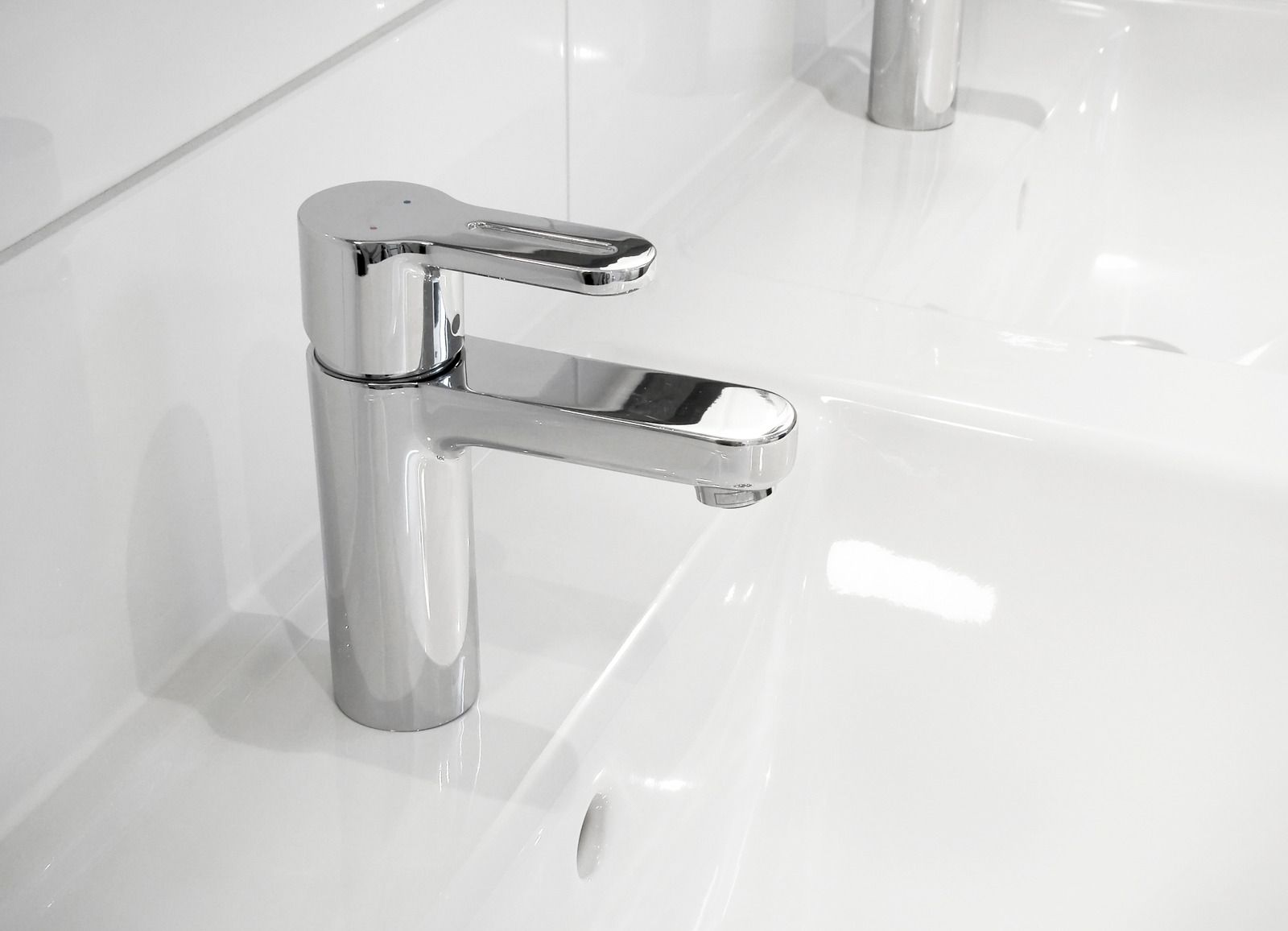
Why Leaks Stay Hidden Longer in Our Area
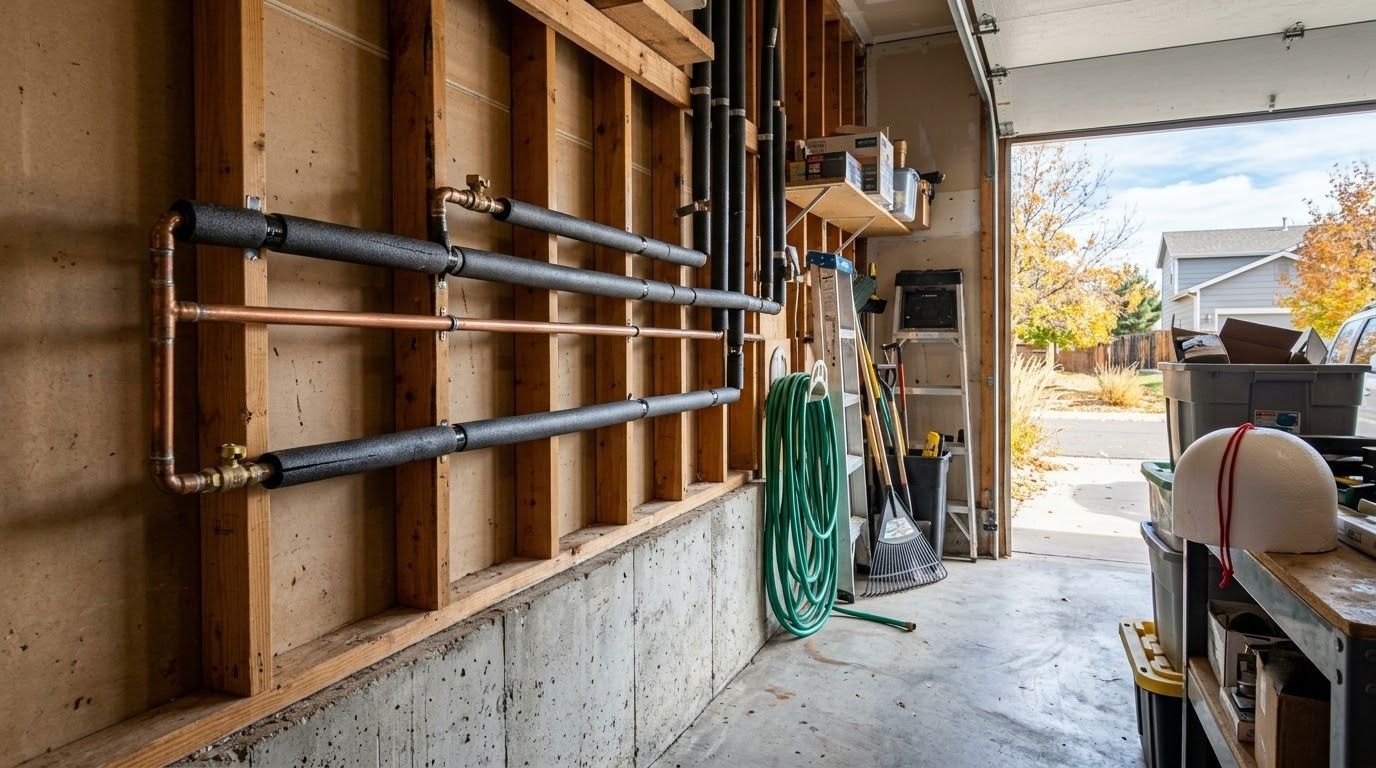
A few conditions in our area make hidden leaks both more common and harder to spot than the national average. The water here runs hard, carrying enough dissolved mineral to scale the inside of pipes and chew at brass fittings and valve seats. Over ten to fifteen years that buildup thins a fitting to the point where it weeps under normal pressure. Our winters bring sharp freeze and thaw cycles, and any line in an exterior wall, crawl space, or unheated garage takes that stress every cold snap until a seam finally splits. The clay soil under many homes swells when wet and shrinks when dry, and that constant movement flexes supply and drain lines under slabs until a joint pulls apart. The dry air works against you too. Low humidity evaporates surface moisture quickly, so the puddle that would tip off a homeowner in a humid climate never forms here, and the leak keeps running behind the wall while the floor stays dry.
Quick Answer: White scale on faucets and cloudy film on glassware are two of the clearest signs of hard water, which is water carrying dissolved calcium and magnesium. When that water dries or heats up, the minerals stay behind as a chalky crust or spotting. Front Range homes deal with this often because area water sits on the harder end of the scale. Wiping fixtures helps for a day, but the deposits keep coming back until you reduce the mineral load with a water softener. A professional water hardness test tells you exactly where your supply falls in grains per gallon.
You clean the bathroom on Saturday, and by the middle of the week a thin white ring has crept back around the base of the faucet. The drinking glasses come out of the dishwasher looking foggy no matter how you load them, and the showerhead spits water in odd directions where the spray holes have crusted over. None of it is dirt, and no amount of scrubbing keeps it away for long. What you are looking at is mineral scale, and it is the most common calling card of hard water in a home.
Scale is not a cosmetic quirk you have to live with. It tells you something specific about the water moving through your pipes, and the same minerals leaving marks on your chrome are quietly settling inside your water heater, your dishwasher, and your fixtures. Read those signs right and you can get ahead of the buildup instead of fighting it one wipe at a time.
What White Scale Actually Is
Dissolved minerals, left behind
Hard water carries calcium and magnesium picked up while moving through rock and soil underground. These minerals stay invisible while flowing, but once water evaporates off a faucet or dries on a glass, they have nowhere to go and settle as a white or grayish film. Heat speeds this along, so kettles, coffee makers, and water heaters scale faster than cold taps.
Why glassware turns cloudy
The foggy look on glasses follows the same pattern on a smaller scale. Mineral spotting bonds to the surface as droplets dry, and repeated wash cycles dull the glass into a permanent haze. Etching from a dishwasher can look similar, but true hard water film often lifts with an acidic rinse, while etching won't. If glasses clear after a vinegar soak, minerals are the culprit.
Scale versus soap scum
People sometimes lump the two together, but they form differently. Soap scum is a sticky curd that appears when soap reacts with hard water minerals, common on shower doors and tile. Scale is the harder, crustier deposit found on aerators, showerheads, and faucet bases. Seeing both in the same bathroom strongly signals your water sits on the harder end of the range.
How Hard Water Is Measured
Grains per gallon and milligrams per liter
Water hardness is measured either in grains per gallon or in milligrams per liter of calcium carbonate. One grain per gallon works out to roughly 17 milligrams per liter, so the two units convert cleanly once you know the ratio. Test kits and lab reports usually give you one or both numbers so you can place your water on a standard scale.
The standard hardness scale
Water testing groups use a widely published range to classify hardness. Under 1 grain per gallon is considered soft. From about 1 to 3.5 grains is slightly hard. From roughly 3.5 to 7 grains is moderately hard. From about 7 to 10.5 grains is hard, and anything above that lands in the very hard category. The U.S. Geological Survey draws its line for hard water at about 120 milligrams per liter, which is close to 7 grains per gallon.
Where Denver-area water falls
The regional supply varies by source and season. Denver Water classifies its treated supply as soft to moderately hard, and notes it runs slightly harder in winter when frozen waterways let the water pick up more minerals, then softens through spring and summer runoff. Homes on private wells or on supplies drawn from mineral-heavy groundwater can sit noticeably higher, which is why two houses a few miles apart can have very different scale problems. The only way to know your number is to test your own tap.
TIP: Save a fogged drinking glass and a photo of your worst faucet before any treatment. Once you address the water, that before-and-after gives you a plain visual check that the buildup has actually slowed.
The Signs That Point to Hard Water
Chalky rings and crust on fixtures
The white buildup around faucet bases, on handles, and inside aerators is the signature you already know. Unscrew an aerator sometime. If it comes out packed with grit and flakes, that material came straight out of your water.
Spotty dishes and foggy glass
Dishes that dry with white specks, glasses that never look truly clear, and a permanent film on the inside of the dishwasher door all trace back to minerals in the rinse water.
Reduced flow at the showerhead
When scale narrows the small openings in a showerhead or aerator, the spray weakens or splits into stray streams. Cleaning the head restores it for a while, but returning scale means the water, not the fixture, is the source.
A chalky aftertaste
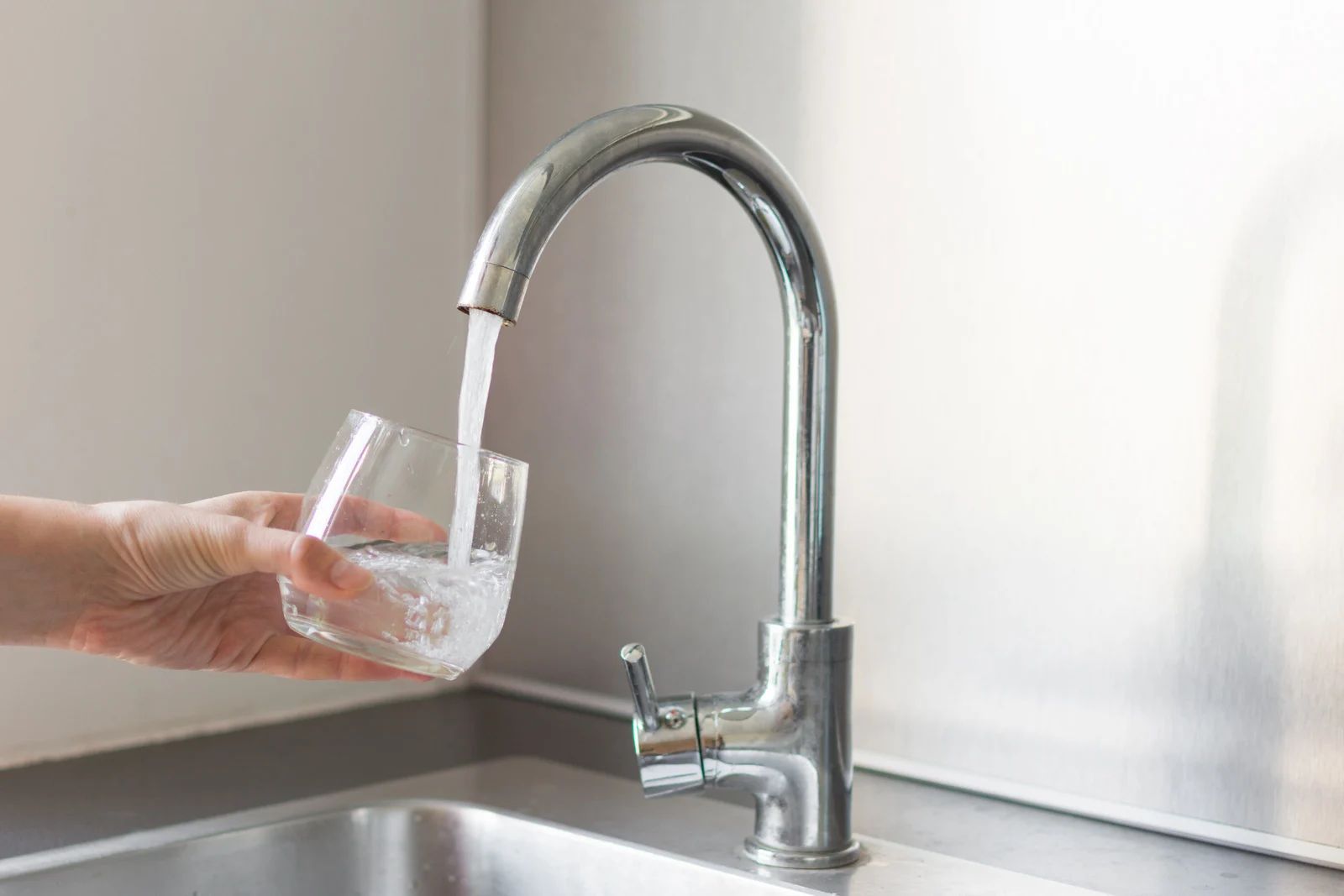
Very hard water can carry a faint chalky or mineral taste. Denver Water describes this as an aesthetic trait rather than a safety issue, and it is one more clue that your supply carries a heavier mineral load.
Soap that will not lather
Hard water minerals interfere with soap and detergent, so you use more product and still get less lather. Skin can feel filmy and hair can feel dull after a shower for the same reason.
Why Scale Is Worth Taking Seriously
It builds inside the plumbing you cannot see
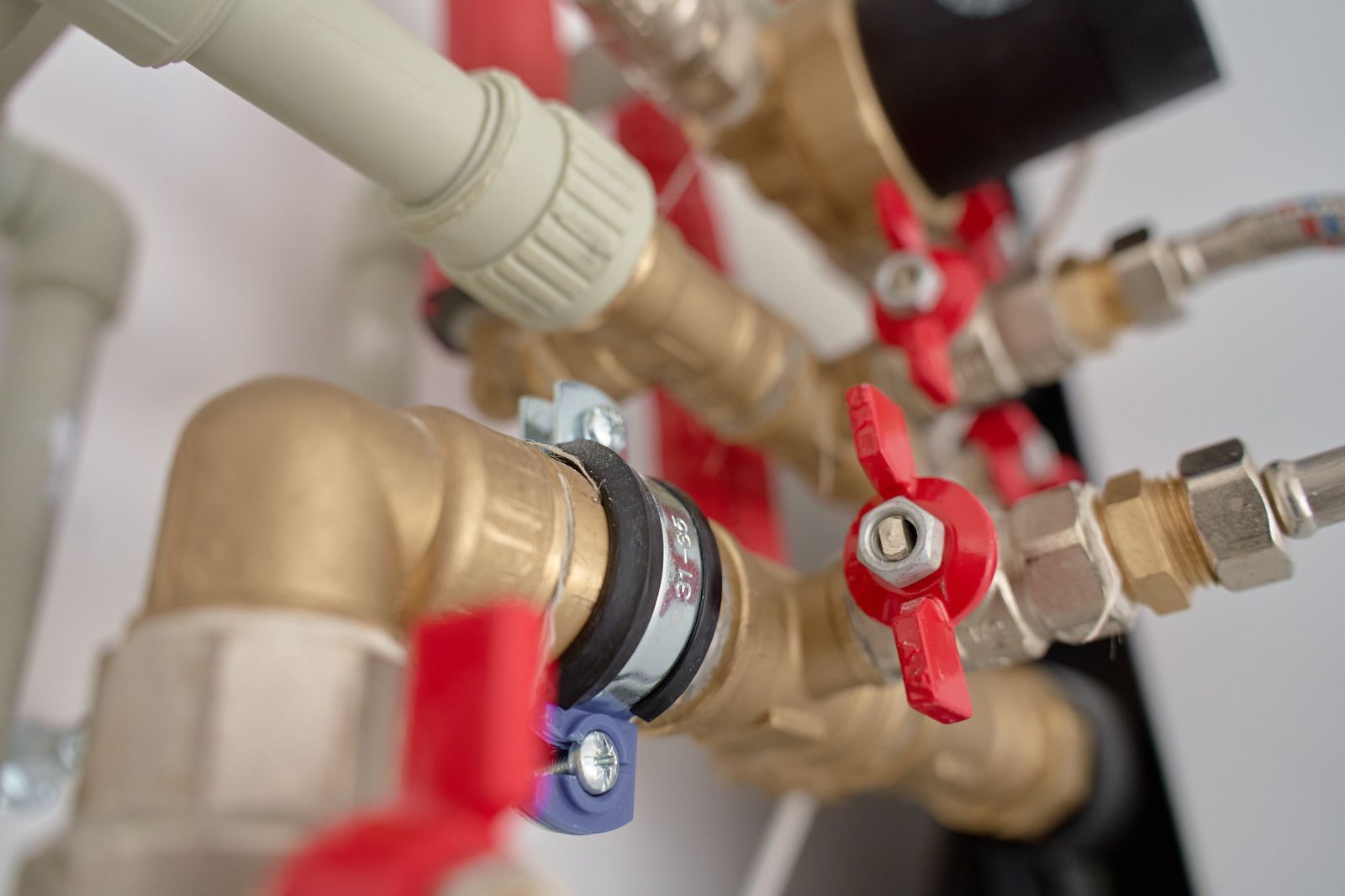
The crust on your faucet is the visible edge of a larger pattern. The same minerals coat the inside of supply lines and settle in the tank of a water heater, where heat pushes scale to form faster. And Denver Water notes that scale in local pipes typically takes two to five years to establish and then keeps building over time, so the deposits you see today reflect a slow, quiet accumulation you never watched happen.
It makes appliances work harder
Scale on a water heater element or in a dishwasher acts like an insulating layer, so the appliance has to run longer to do the same job. Over years, that added strain shortens the working life of equipment that depends on steady water flow and clean heating surfaces.
It steals water pressure
As mineral deposits narrow the inside of pipes and fixtures, they restrict flow. The pressure drop is gradual enough that many homeowners never connect it to hard water until the buildup is well along.
Warning: Never use a metal pick or a wire brush to gouge scale out of a faucet aerator or a showerhead. You can scratch the finish and damage the fine screens, which makes the fixture collect debris even faster. Soak the part in a mild acidic solution instead and let the deposit dissolve.
What You Can Do About It
Clean scale the gentle way
A soak in diluted white vinegar or citric acid dissolves fresh mineral deposits without harsh scrubbing. Wrap a vinegar-soaked cloth around a faucet base, or bag a showerhead in vinegar for an hour, then rinse. This won't stop new scale from arriving with the next gallon.
Test your water first
Before investing in treatment, find out how hard your water actually is. A home test strip gives a rough reading, and a professional water hardness test gives an accurate grains-per-gallon figure plus a picture of what else is in the water, guiding every decision that follows.
Treat the source with a water softener
The lasting fix is reducing minerals before they reach your fixtures. A water softener runs household water through media that swaps out hardness minerals, so taps stop leaving chalky residue. Fixtures stay cleaner longer, glassware rinses clearer, and plumbing stops collecting fresh scale.
Match the system to your water
Softeners are sized based on water usage and your hardness reading. An undersized unit regenerates too often and struggles to keep up, while a correctly sized system runs efficiently. Some homes pair a softener with reverse osmosis at the kitchen tap to also address drinking taste.
Know when to call a pro
Soaking a faucet or swapping an aerator is manageable for most homeowners. Sizing and installing a softener, tying it into the main line, setting the drain and bypass, and programming regeneration cycles are jobs for a licensed plumber to get the install right the first time.
Frequently Asked Questions
Why does white scale keep coming back on my faucets even after I wipe them off?
Wiping removes dried deposits but not the water causing them. Every time hard water dries, it leaves fresh calcium and magnesium. Buildup keeps returning until you reduce mineral content at the source with a water softener.
Is the white crust on my faucet aerator just cosmetic, or is it a real problem?
The crust looks cosmetic, but that same scale restricts flow and splits streams, and the identical process happens inside pipes and water heaters unseen. It signals mineral buildup throughout the home. Testing shows how far along it is.
Will vinegar actually remove hard water scale from glassware and faucets?
Yes, an acidic soak dissolves fresh mineral scale well. Diluted vinegar or citric acid breaks down deposits without scratching surfaces. The limitation is it only cleans what's already formed and doesn't change the water, so scale returns.
Does scale on my faucets mean my water heater is affected too?
Very likely, since heat accelerates scale formation. Minerals settle faster inside water heater tanks and heating surfaces as warm water drives them out of solution, forcing the appliance to work harder. Heavy fixture scale warrants a heater check.
How do I find out exactly how hard my water is in the Denver area?
Start with a home test strip for a rough estimate, then confirm with a professional water hardness test in grains per gallon. Regional supplies vary and wells run harder, so your number depends on address and source.
Can a water softener remove scale that has already built up in my pipes?
A softener stops new scale by removing minerals before they reach your plumbing, and softened water can gradually loosen some existing deposits over time. It's not an instant descaler, but it prevents further buildup going forward.
Reading the Signs and Getting Ahead of Scale
White scale on your faucets and cloudy glassware are not random household annoyances. They are the visible record of hard water moving through your home, and they point to the same minerals settling into places you cannot reach with a cloth. Cleaning keeps the surfaces presentable, but the buildup only stops for good once you address the water at the source. A hardness test turns the guesswork into a number, and the right treatment keeps your fixtures clear and your plumbing running the way it should.
If white scale keeps returning on your faucets, glassware, and showerheads, the fix starts with knowing your water and treating it at the source so clean, better-tasting water flows from every tap and your plumbing lasts longer. Drip Fix Plumbing, serving Thornton, Colorado, tests your water hardness, sizes and installs the right water softener for your home, and can pair it with reverse osmosis when you want to address taste at the kitchen tap. With 15
years of residential and commercial experience across
water softeners, reverse osmosis, purification, and full plumbing service, the team gets the diagnosis and the install right the first time. Schedule a water assessment with us to stop scale before it builds back up.