Common Contaminants in Tap Water and How They Affect Your Health
May 20, 2026
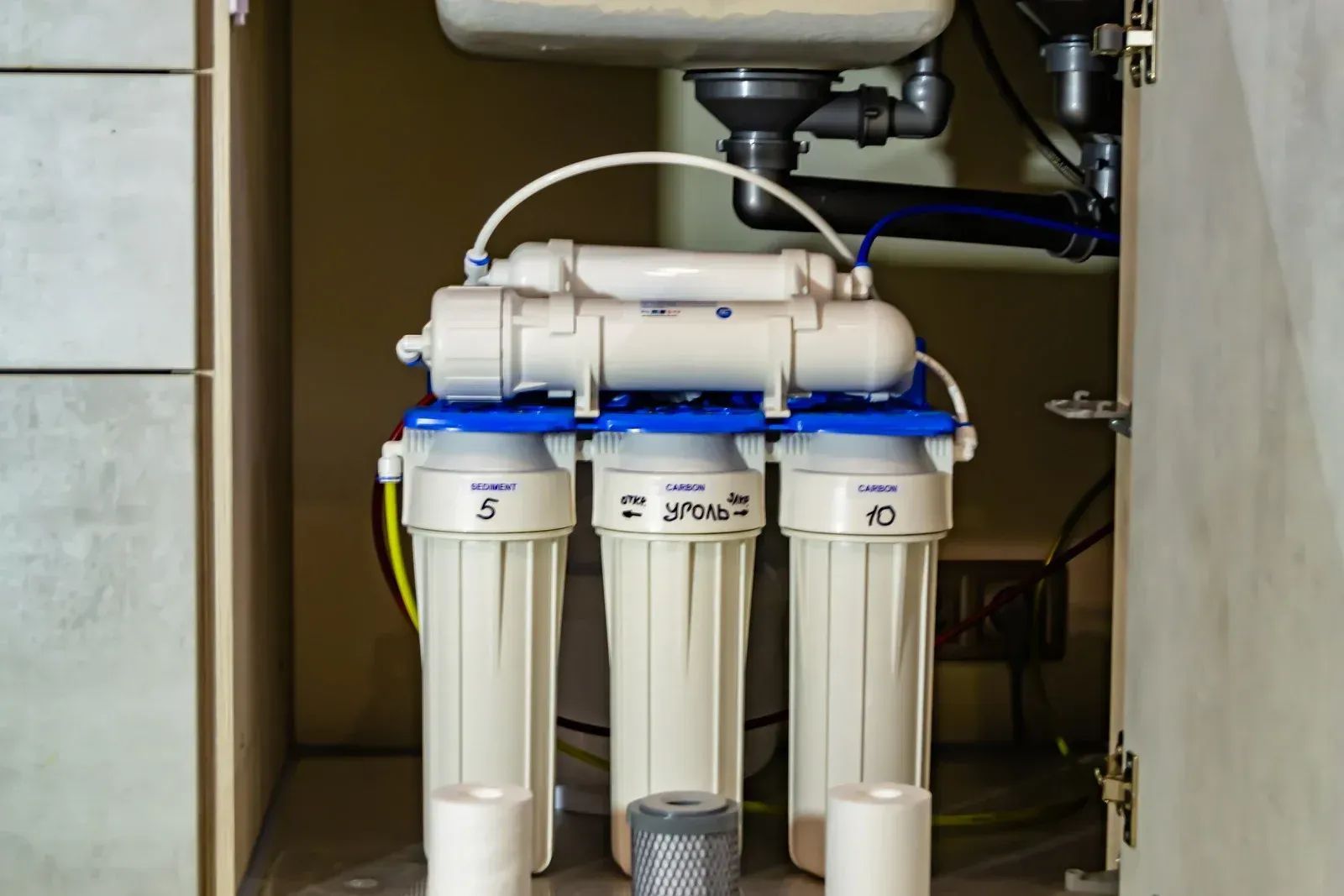
Clean drinking water is essential for maintaining overall health, yet tap water can still contain a range of contaminants that are not always visible or easily detectable. These impurities may enter the water supply through natural sources, aging infrastructure, agricultural runoff, or industrial discharge. While municipal treatment systems are designed to remove many harmful substances, trace levels of contaminants can still remain, raising concerns about long-term health impacts. These hidden elements often go unnoticed until water testing is performed or symptoms begin to appear over time.
Understanding what may be present in tap water is increasingly important in today’s environment, where water quality challenges continue to evolve. From microbial organisms to chemical residues, these contaminants can influence taste, odor, and most importantly, human health. Many households assume tap water is completely safe, but variations in local treatment standards and distribution systems can lead to inconsistent water quality. Regular monitoring and awareness can help reduce uncertainty and support safer daily consumption choices.
This topic is especially relevant for homeowners, health-conscious individuals, and families seeking to improve daily hydration safety. Awareness of common water contaminants helps in making informed decisions about filtration, testing, and plumbing maintenance. By identifying potential risks early, it becomes possible to reduce exposure and ensure safer drinking water. Exploring these contaminants and their effects provides a clearer understanding of why water quality should never be overlooked in modern living conditions. Taking proactive steps can significantly improve long-term health outcomes and household safety.
1. Understanding Tap Water Contaminants
Sources of Contamination in Drinking Water
Tap water contamination can originate from multiple sources, including natural mineral deposits, agricultural runoff, wastewater discharge, and aging distribution pipelines. As water moves from treatment facilities to residential systems, it may collect impurities from corroded pipes or storage tanks. Both rural and urban environments experience variations in water quality due to environmental influences and infrastructure conditions affecting safety standards consistently overall.
Why Water Treatment Alone Is Not Always Enough
Even advanced municipal treatment systems cannot eliminate all contaminants present in drinking water supplies. Some substances resist standard purification processes, while others enter water after treatment through distribution systems. This makes secondary filtration methods and regular water testing essential for maintaining safe drinking water standards in households and ensuring long-term protection against potential health risks across different municipal systems globally.
2. Microbial Contaminants and Their Health Effects
Bacteria, Viruses, and Parasites in Water Supply
Bacterial, viral, and parasitic contaminants such as E. coli, Giardia, and Cryptosporidium can enter water systems through sewage leaks, agricultural runoff, or animal waste contamination. These microorganisms are particularly dangerous because they can cause immediate illness even at low exposure levels, making safe water management and effective treatment processes critical for protecting public health consistently across vulnerable population groups worldwide.
Health Risks Associated with Microbial Exposure
Consumption of contaminated water can lead to gastrointestinal infections, diarrhea, vomiting, dehydration, and other serious health complications. In severe cases, individuals with weakened immune systems may face additional risks requiring medical attention. Children and elderly populations are particularly vulnerable to microbial exposure, making water quality monitoring essential for preventing widespread illness and maintaining community health safety across shared public systems globally.
3. Chemical Contaminants Found in Tap Water
Heavy Metals and Industrial Chemicals
Heavy metals such as lead, arsenic, and mercury are among the most concerning chemical contaminants found in drinking water. Lead often enters through old plumbing systems, while arsenic may occur naturally in groundwater in certain regions. Industrial activities and environmental pollution further contribute to contamination risks affecting long-term human health and water safety standards across municipal and private supply networks globally.
Chlorine, Nitrates, and Pesticide Residues
Chlorine is commonly used for water disinfection, but high levels may affect taste and cause irritation in sensitive individuals. Nitrates from agricultural fertilizers can seep into groundwater supplies, posing risks especially for infants. Pesticide residues from farming activities may also contribute to long-term exposure concerns, requiring careful monitoring and effective water treatment strategies across agricultural regions and municipal supply systems globally.
Long-Term Health Implications
Extended exposure to chemical contaminants has been linked to neurological issues, kidney damage, and increased risk of chronic diseases. Even low concentrations over time can accumulate in the human body, making prevention and filtration essential. Long-term exposure risks highlight the importance of maintaining high water quality standards to protect overall health and well-being consistently across residential and municipal water systems globally.
4. Physical and Emerging Contaminants in Water
Sediment, Rust, and Particulate Matter
Physical contaminants such as sediment, sand, and rust particles often originate from aging pipes or disturbed soil. While not always directly harmful, these particles can affect water clarity and indicate underlying plumbing issues. Their presence may signal infrastructure deterioration, making regular inspection and maintenance important for ensuring consistent water quality and system performance across residential plumbing and municipal distribution systems globally.
Microplastics and Pharmaceutical Traces
Recent studies have identified microplastics in water supplies worldwide. These tiny particles originate from plastic waste breakdown and industrial processes. Additionally, trace amounts of pharmaceutical residues may enter water systems through wastewater discharge. Such emerging contaminants raise growing concerns about environmental safety and potential long-term effects on human health and ecological balance across global water systems and supply networks today.
Growing Environmental Concerns
Emerging contaminants are not fully regulated in many regions, making them a growing public health concern. Their long-term effects are still being studied, but early findings suggest potential hormonal and metabolic disruptions in exposed populations. Continuous monitoring and improved water treatment technologies are essential for reducing risks and ensuring safe drinking water supplies across municipal and environmental water systems globally today.
5. Health Impacts and Risk Factors of Contaminated Water
Short-Term Health Effects
Short-term exposure to contaminated water may result in stomach discomfort, infections, skin irritation, fatigue, and other acute health symptoms. These effects often appear quickly after ingestion and vary depending on contaminant type and concentration levels. Prompt identification and corrective action are important for preventing escalation and protecting immediate health outcomes in affected individuals across vulnerable residential populations and communities globally today.
Long-Term Health Risks
Long-term exposure to contaminated water can lead to chronic health conditions such as organ damage, developmental issues in children, and increased susceptibility to disease. Chemical buildup in the body is particularly concerning due to cumulative effects over time. Continuous exposure increases risks significantly, making prevention, monitoring, and effective treatment essential for safeguarding long-term health across global human health systems.
High-Risk Groups
Certain individuals face greater risks from water contaminants, including infants, pregnant women, elderly individuals, and people with weakened immune systems. These groups require higher water quality standards to maintain health and safety. Even minor exposure can result in serious complications, making preventive measures, regular testing, and improved water treatment especially important for protection across vulnerable populations and community health systems globally.
6. Prevention and Water Safety Practices
Importance of Regular Water Testing
Routine water testing helps identify contaminants early and ensures that water quality remains within safe limits. Home testing kits and professional assessments provide valuable insights into potential risks present in drinking water supplies. Early detection supports timely intervention and helps maintain consistent safety standards for residential water systems and overall household health protection across residential systems and public water networks globally.
Effective Filtration and Maintenance
Installing appropriate water filtration systems can significantly reduce exposure to harmful contaminants. Activated carbon filters, reverse osmosis systems, and sediment filters each target specific impurities. Regular plumbing maintenance also helps prevent contamination from aging infrastructure. These combined approaches improve water quality, support household safety, and ensure long-term protection against potential health risks effectively across residential plumbing systems and water infrastructure globally.
Safe Consumption Habits
Using clean storage containers, flushing pipes after periods of inactivity, and avoiding untreated water sources are simple but effective practices. These habits contribute to long-term water safety and improved household health. Consistent attention to water handling and consumption methods ensures reduced exposure to harmful contaminants and supports overall well-being in daily life across residential households and municipal water systems globally.
Skilled Professionals Addressing Residential Water Contamination Issues
Tap water may contain a wide range of contaminants that affect both quality and health outcomes. Understanding microbial, chemical, and emerging pollutants allows for better prevention and safer daily consumption. Regular testing, proper filtration, and awareness of water sources play a critical role in reducing health risks and maintaining long-term wellness. Clean water is not only a necessity but a responsibility that requires consistent attention and informed decision-making.
Drip Fix Plumbing delivers reliable plumbing and
water system solutions backed by 15 years of experience in Thornton, Colorado. Strong technical expertise and commitment to water safety ensure dependable service for residential systems. Focus remains on improving water quality through precise diagnostics, efficient repairs, and long-lasting plumbing solutions that support healthier living environments.