Why Hard Water Can Damage Your Home and Appliances?
March 26, 2026
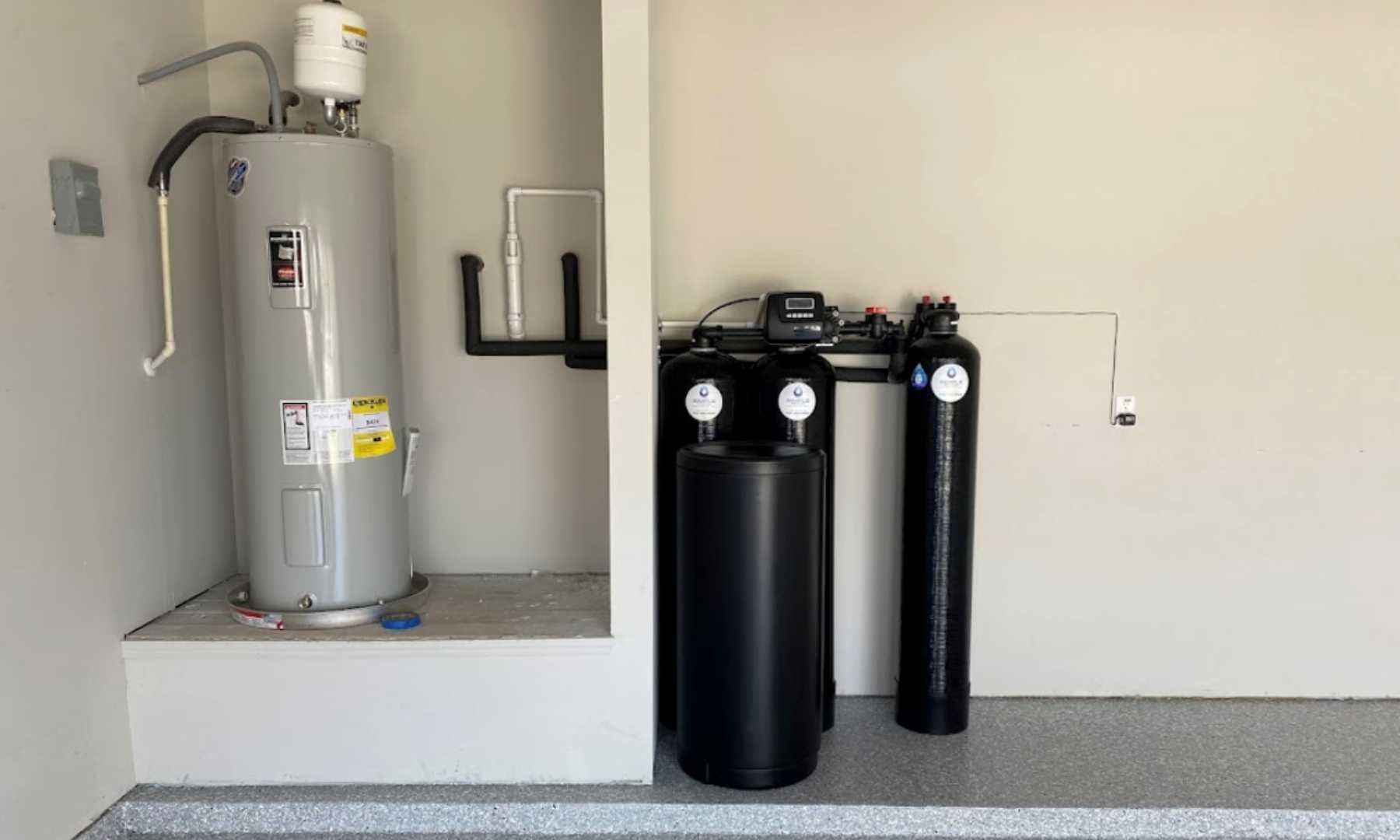
Hard water is a common yet often overlooked issue that affects residential plumbing systems, household appliances, and overall property maintenance. Characterized by high concentrations of minerals such as calcium and magnesium, hard water can gradually create buildup within pipes, fixtures, and mechanical components. While these minerals are not typically harmful to human health, their long-term impact on infrastructure can lead to inefficiencies, increased maintenance costs, and reduced equipment lifespan. As modern homes rely heavily on water-powered systems for daily comfort and functionality, understanding the effects of hard water has become increasingly important for homeowners and property managers alike.
In today’s housing and service industry, proactive water quality management plays a critical role in protecting investments and maintaining operational efficiency. From heating systems and washing machines to kitchen fixtures and water heaters, mineral deposits can disrupt performance and accelerate wear. Recognizing early warning signs and implementing effective solutions helps preserve both convenience and property value. By exploring how hard water affects different areas of the home and identifying practical prevention strategies, homeowners can make informed decisions that support long-term reliability and cost savings.
Understanding Hard Water and Its Mineral Composition
What Makes Water “Hard”?
Hard water forms when groundwater travels through mineral-rich soil and rock formations, dissolving calcium, magnesium, and trace elements along the way during natural underground filtration processes. These minerals remain suspended in the water supply, eventually entering residential plumbing systems and circulating continuously throughout daily household usage. While natural and widespread, this mineral content alters water behavior, particularly when exposed to heat or pressure changes inside modern plumbing environments.
When hard water evaporates or undergoes temperature fluctuations, it leaves behind solid deposits known as scale that steadily accumulate over time. Over time, scale accumulation restricts water flow, interferes with mechanical components, and creates visible residue on fixtures and surfaces throughout frequently used areas. Understanding this basic chemical interaction provides valuable insight into why consistent maintenance and water treatment are essential for long-term infrastructure protection.
Regional Variations and Household Impact
The severity of hard water varies significantly depending on geographic conditions and municipal water treatment standards established for specific communities and regions. In some regions, mineral concentrations remain moderate, causing only cosmetic concerns such as soap scum or cloudy glassware after repeated washing cycles. In others, persistent buildup leads to measurable declines in appliance performance and increased plumbing strain that requires professional attention.
Homeowners often notice subtle changes first, including reduced water pressure, inconsistent heating efficiency, or increased detergent usage during regular cleaning routines. These indicators signal underlying mineral activity that may require professional evaluation or system upgrades to prevent escalating damage and costly repairs.
How Hard Water Affects Plumbing Systems
Scale Buildup Inside Pipes
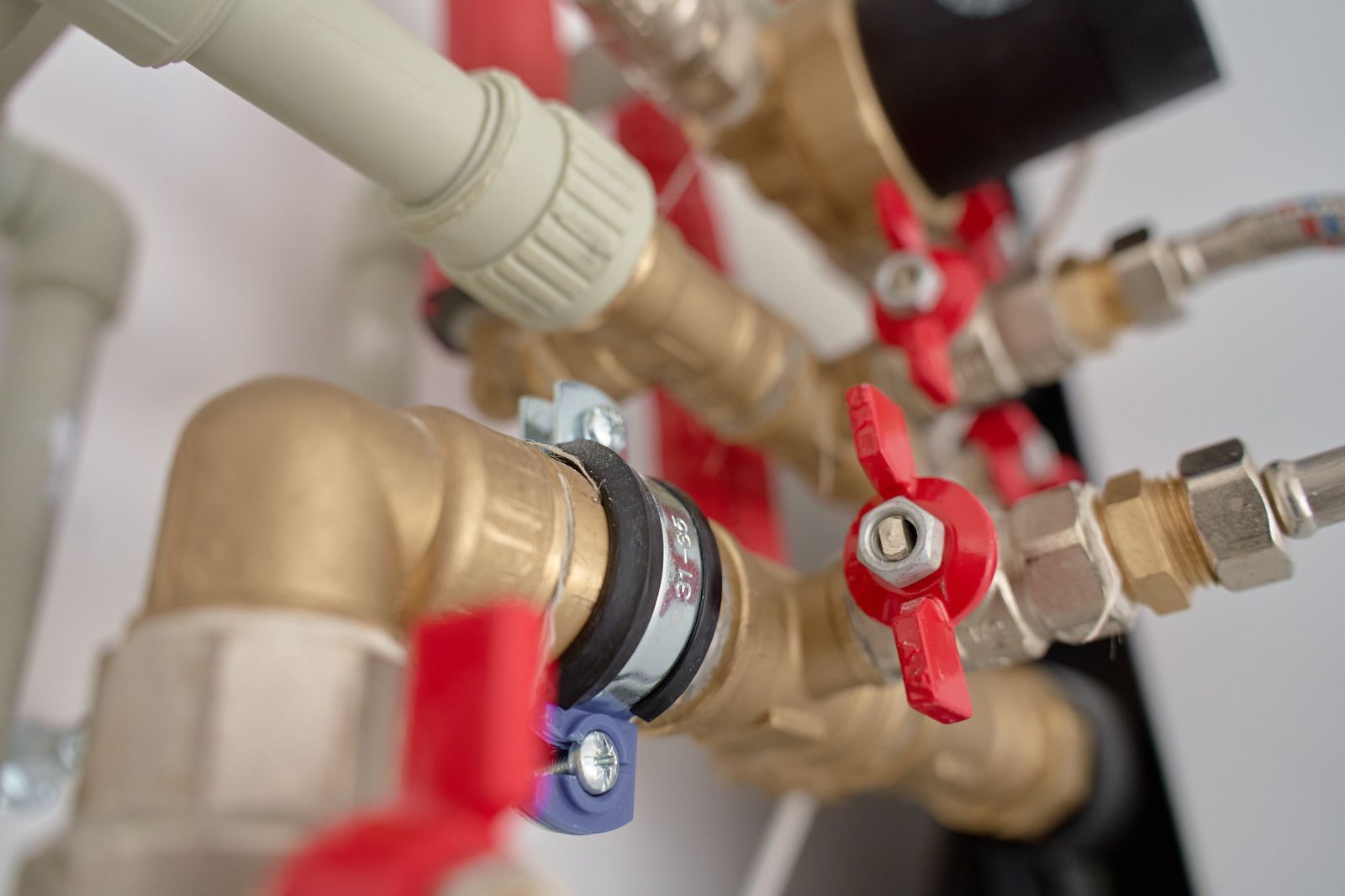
One of the most significant consequences of hard water is the gradual formation of mineral scale inside plumbing lines that transport water daily. As deposits accumulate, internal pipe diameter narrows, restricting water movement and forcing systems to operate under higher pressure than originally designed. This added strain can weaken joints, accelerate corrosion, and increase the likelihood of leaks developing unexpectedly in vulnerable areas.
Older plumbing systems are particularly vulnerable because aging materials already experience structural fatigue due to years of consistent water usage. When combined with mineral obstruction, the risk of unexpected failures rises considerably and may disrupt essential household functions. Routine inspections and targeted cleaning methods help mitigate these challenges and preserve system functionality over extended operational periods.
Fixture Damage and Reduced Efficiency
Faucets, showerheads, and valves frequently exhibit the earliest visible signs of hard water exposure within bathrooms, kitchens, and utility spaces. Mineral deposits can clog aerators, alter spray patterns, and create uneven flow distribution that affects user comfort and daily convenience. Over time, these performance issues diminish user comfort and necessitate frequent replacements that increase maintenance expenses.
In addition, scale accumulation around seals and moving parts may compromise watertight integrity and reduce mechanical responsiveness significantly. Small drips or persistent moisture buildup often originate from mineral interference rather than mechanical defects alone in complex plumbing fixtures. Addressing water quality alongside standard repairs ensures more durable solutions and improved long-term system reliability.
The Impact on Household Appliances
Reduced Lifespan of Water-Based Equipment
Hard water can significantly shorten the operational lifespan of appliances that rely on heating elements or pressurized water circulation for effective performance. Washing machines, dishwashers, and water heaters are especially susceptible because mineral deposits form rapidly when water is heated during repeated usage cycles. These conditions place continuous stress on internal components and affect overall efficiency.
Scale acts as an insulating barrier around heating components, forcing appliances to consume more energy to achieve desired temperatures consistently. This increased workload accelerates wear, raises utility expenses, and heightens the probability of premature breakdowns requiring professional servicing. Implementing water-softening measures or routine descaling protocols helps maintain optimal efficiency and dependable appliance functionality.
Performance Decline and Maintenance Challenges
Beyond mechanical strain, hard water influences overall cleaning effectiveness and reduces the efficiency of commonly used detergents and soaps. Detergents struggle to dissolve properly in mineral-heavy environments, leading to residue on fabrics, dishes, and interior surfaces after wash cycles. Homeowners may respond by using larger quantities of cleaning products, unintentionally increasing costs without resolving the underlying issue.
Maintenance professionals frequently encounter clogged filters, blocked spray arms, and uneven cycle performance in homes affected by hard water conditions. Proactive system flushing and manufacturer-recommended care routines reduce these complications and support long-term appliance reliability across multiple usage scenarios.
Effects on Heating Systems and Energy Consumption
Insulation of Heat Transfer Surfaces
Heating systems depend on efficient thermal exchange to operate economically and maintain consistent indoor comfort levels throughout seasonal changes. When mineral deposits accumulate on heat exchangers or tank interiors, they create a barrier that slows energy transfer significantly. As a result, systems require longer run times and higher fuel or electricity usage to maintain comfortable indoor temperatures.
This inefficiency not only impacts monthly utility bills but also contributes to increased environmental strain and unnecessary energy consumption. Overworked equipment experiences greater mechanical stress, raising the likelihood of component failure during peak usage periods in colder months.
Operational Noise and Safety Concerns
Hard water scale can also produce audible symptoms such as popping or rumbling noises within water heaters during heating cycles. These sounds often indicate trapped steam bubbles beneath mineral layers, signaling reduced efficiency and potential overheating risks if ignored. Recognizing these warning signs early supports safer system operation.
Addressing these warning signs promptly helps prevent more severe complications, including pressure fluctuations or internal tank damage that disrupts water availability. Scheduled maintenance and water treatment solutions provide a comprehensive approach to preserving both safety and performance in heating systems.
Surface Damage and Aesthetic Challenges
Persistent Stains and Residue Formation
Hard water frequently leaves behind chalky white spots on sinks, tiles, glass enclosures, and stainless-steel surfaces throughout kitchens and bathrooms. While primarily cosmetic at first, these deposits can gradually etch finishes or discolor materials if left untreated for extended periods. Cleaning becomes more time-consuming as buildup hardens and resists standard household products.
In kitchens and bathrooms, mineral residue may also harbor moisture, creating conditions that encourage mold or mildew growth over time. Maintaining consistent cleaning routines and using specialized descaling agents helps protect both hygiene and visual appeal effectively.
Impact on Fixtures and Home Value
Visible hard water damage can influence property perception during resale or inspection processes conducted by prospective buyers. Prospective buyers often associate stained fixtures or reduced water pressure with broader maintenance concerns affecting long-term property condition. Investing in water quality improvements demonstrates proactive stewardship and can enhance overall home desirability in competitive markets.
Simple measures such as installing filtration systems, monitoring mineral levels, and scheduling periodic servicing contribute to a more polished living environment and stronger long-term asset protection.
Prevention Strategies and Best Practices
Water Softening and Filtration Solutions
Water softeners operate by replacing calcium and magnesium ions with sodium or potassium, effectively reducing scale formation inside residential plumbing systems. Modern systems offer adjustable settings that accommodate varying household needs and water usage patterns throughout changing seasons.
Filtration technologies also support improved water quality by removing sediment and trace contaminants that affect plumbing efficiency. Combining these approaches provides comprehensive protection for plumbing infrastructure and appliances alike in demanding residential environments.
Routine Maintenance and Professional Guidance
Preventing hard water damage requires consistent attention rather than reactive repairs after visible problems develop unexpectedly. Flushing water heaters annually, inspecting fixtures for buildup, and following appliance care recommendations can significantly extend system longevity and performance.
Professional assessments help identify hidden vulnerabilities and recommend tailored solutions based on property design and regional water conditions. By adopting a proactive mindset, homeowners can reduce unexpected expenses and maintain reliable performance across all water-dependent systems.
Professional Plumbing Guidance For Healthier Home Water Systems
When hard water challenges begin affecting daily routines and system performance, partnering with an experienced plumbing provider becomes essential. Drip Fix Plumbing has built a strong reputation in the plumbing industry by delivering reliable solutions that address water quality concerns and infrastructure durability. With 15 years of hands-on experience serving homeowners in Thornton, Colorado, our approach focuses on identifying root causes rather than offering temporary fixes.
Homeowners benefit from our commitment to transparent communication, timely service delivery, and quality workmanship that supports sustainable property care. As plumbing technologies continue evolving, we remain dedicated to staying informed about best practices and innovative solutions that enhance performance and comfort. Choosing experienced guidance ensures that hard water challenges are managed effectively, helping households maintain dependable water flow, energy efficiency, and peace of mind for years to come.